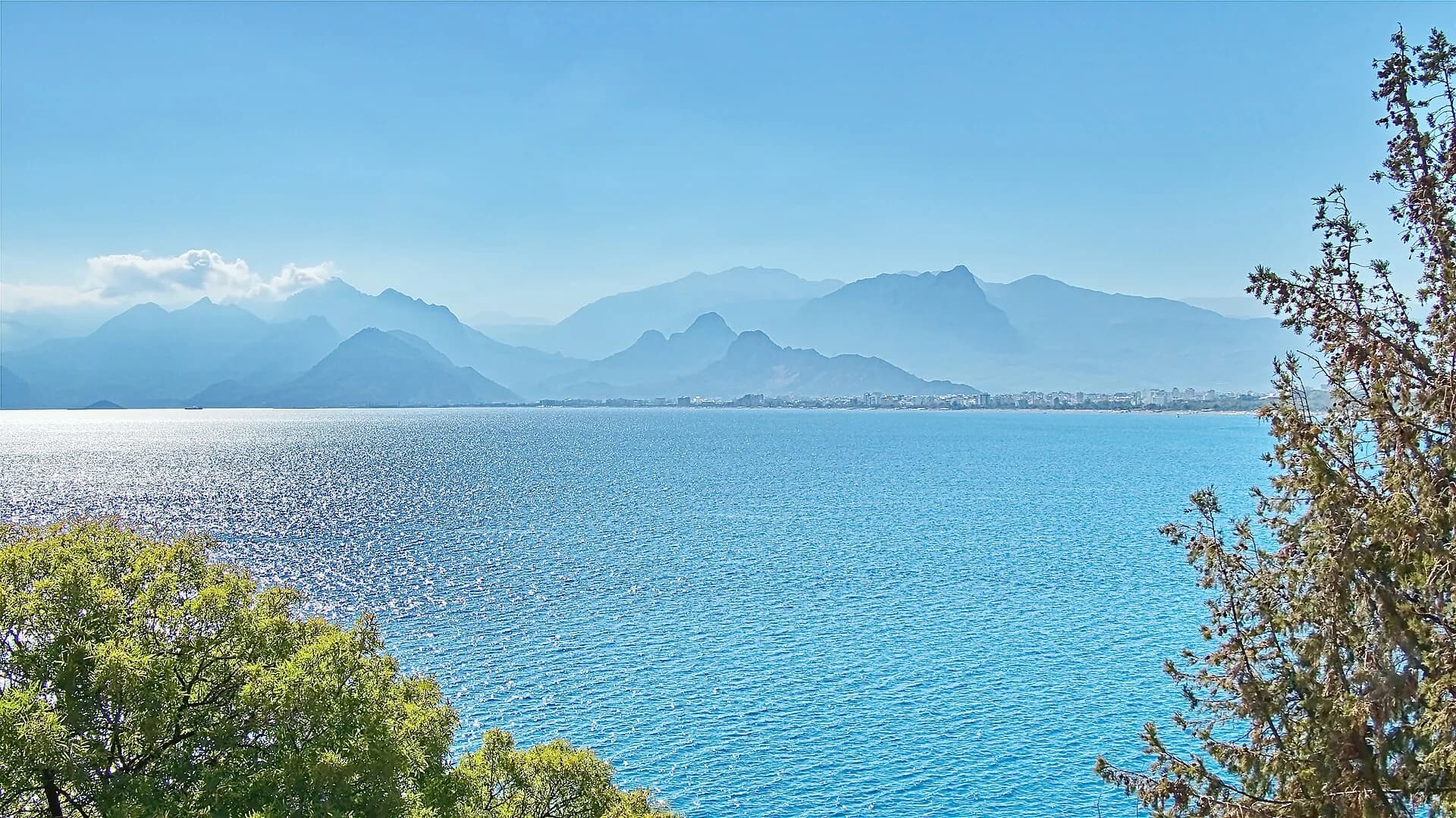
The COP31 climate conference in Antalya, Türkiye, ended on Sunday, 22 November 2026, without a final climate pact. More than 190 countries failed to agree on an overarching deal after two weeks of negotiations and two days of overtime. The talks became the longest United Nations climate summit on record. It was the first time the annual conference had failed to adopt a final agreement since the Copenhagen summit in 2009.
COP31 President Murat Kurum told the closing plenary that there was no consensus on the text and that the decisions had not been adopted. He said there would be no new draft. The European Union, Panama, the Marshall Islands and Norway were among those that rejected the final draft. The United States did not take part in the talks, after President Donald Trump withdrew the country from the international climate process.
No consensus in the closing plenary
The final meeting was meant to approve the Antalya Pact, the cover decision that would have set out the conference's overarching agreement. When the session opened, it became clear that the necessary consensus was not there. The draft had been put forward by the COP31 co-presidents, Türkiye and Australia.
Darragh O'Brien, Ireland's climate minister, spoke for the European Union. He said the bloc would not endorse a decision that did not even mention fossil fuels, calling it unconscionable. Panama said governments had a responsibility to act, and not to negotiate the minimum threshold.
How fossil fuels disappeared from the draft
The first draft of the cover decision, published on Monday, called for the immediate transition away from fossil fuels in energy systems. Every later draft removed all mentions of fossil fuels, even though more than 100 countries pushed to keep them in. The final text referred only indirectly to the COP28 agreement in Dubai in 2023 to transition away from fossil fuels. It did not name coal, oil or gas.
Saudi Arabia and other large oil producers opposed any mention of fossil fuels in the text, according to observers at the summit. Russia warned that a fast shift away from fossil fuels would lead to fuel poverty. The draft instead placed weight on carbon capture and storage. Critics said that language could justify continued oil production. Saudi Arabia, speaking for the League of Arab States, defended carbon capture as a recognised climate solution and said all viable options should remain on the table.
Finance and adaptation
Finance divided the room as sharply as fossil fuels. Poorer countries have long asked for more money to help them adapt to climate disasters they did little to cause. The draft called for adaptation finance to at least triple by 2035, but it gave no baseline and no specific numbers. Developing countries said that left them with a promise and no figure to hold governments to.
Only 142 million dollars in additional funding was pledged at the summit, far less than at recent conferences, according to NPR. The draft put developing nations' estimated climate finance needs at 5.1 trillion to 6.8 trillion dollars through 2030. The African Group said climate finance, loss and damage and the just transition received only a single generic sentence, but it would not stand in the way of consensus.
Reactions in Antalya
United Nations Secretary-General António Guterres said he was deeply disappointed by the failure to reach consensus. He said there was no ambiguity in the science, and that the world must do much more to confront the climate crisis, and do it now. He said fossil fuels remained the primary driver of global warming, and accused powerful fossil fuel interests of obstructing action while continuing to profit.
Chris Bowen, Australia's minister who led the negotiations as COP31 president of negotiations, called the outcome very disappointing. He said more than 90 countries had signed a pledge to ramp up electrification. The draft had proposed raising electricity's share of total final energy consumption to 35 percent by 2035, from around 23 percent now.
What the failure leaves for COP32
The failure in Antalya does not erase obligations agreed at earlier conferences. The COP28 commitment to move away from fossil fuels still stands, and the Paris Agreement still aims to limit warming to 1.5 degrees Celsius above pre-industrial levels. A recent United Nations report confirmed the world will overshoot that limit, and temperatures are expected to rise to 2.8 degrees on current policies.
Focus now shifts to COP32 in Addis Ababa, Ethiopia, in November 2027, where governments will face the same questions Antalya left unanswered. United Nations climate chief Simon Stiell said the world could not afford a repeat of the Antalya outcome.