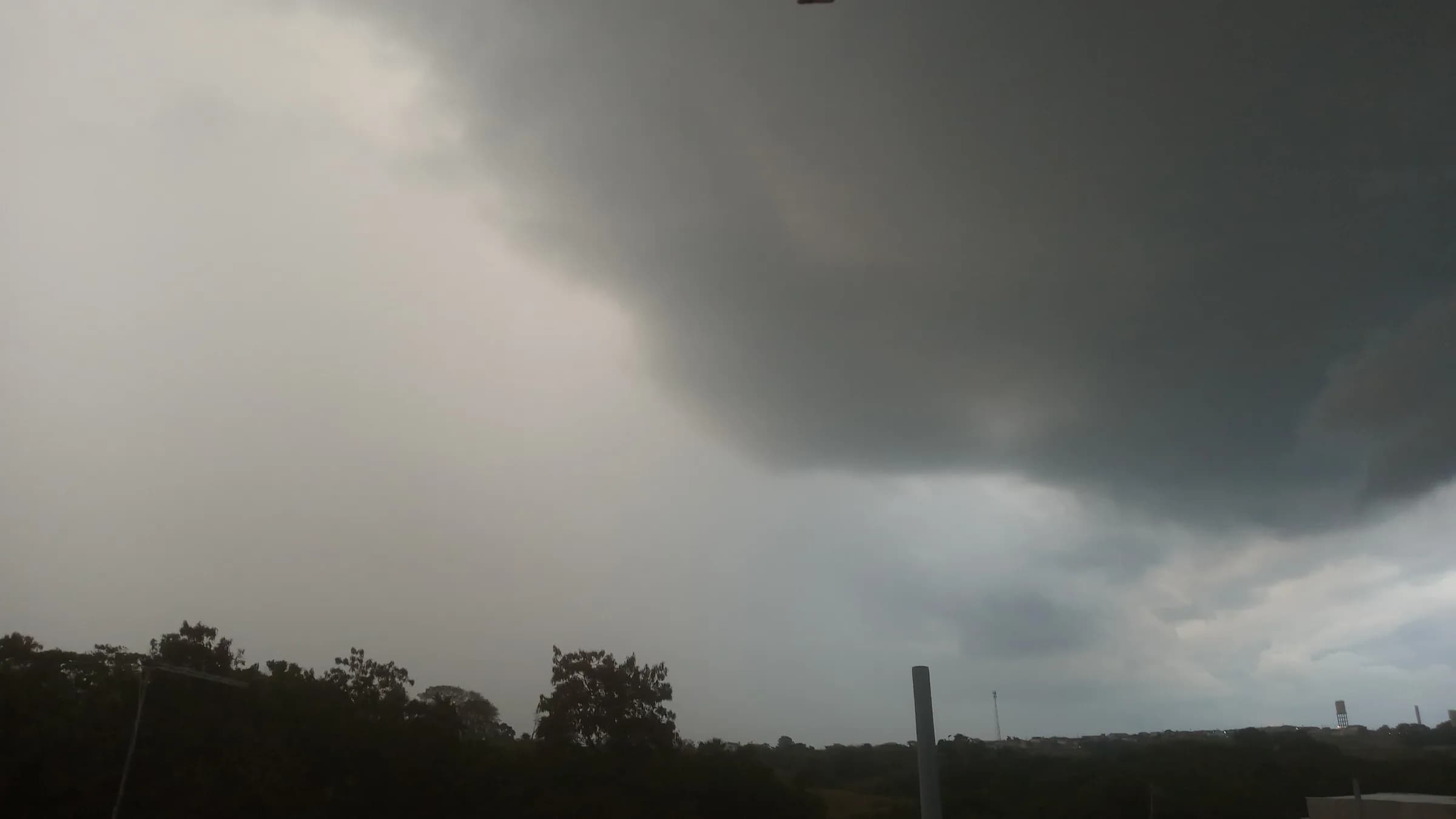
A supercell storm struck the farm town of Tupanciretã in Rio Grande do Sul at about 3 a.m. on Friday, 20 November, killing five people and injuring 265, according to the state Civil Defense bulletin of 22 November. Roofs were torn from 7,796 of the town's roughly 8,600 homes, and 19,780 residents were forced from their homes.
The scale of the damage
The storm affected 25,212 people across 46 municipalities, the bulletin said. In Tupanciretã, more than nine in ten homes lost their roofs. The national weather institute, Inmet, recorded gusts of 114 kilometres per hour.
Tupanciretã is a farm town in the interior of Rio Grande do Sul, Brazil's southernmost state. The storm struck at about 3 a.m., when most residents would have been at home.
The federal government declared a state of public calamity. The state government allocated 7 million reais for reconstruction, and about 200 Army personnel were deployed. With 19,780 people forced from their homes in Tupanciretã alone, the immediate task is shelter and repair.
Was it a tornado?
Whether a tornado touched down is disputed. Private forecaster MetSul says a tornado, with estimated winds of 180 to 250 kilometres per hour, likely caused the damage. The state Civil Defense attributes the destruction to a supercell with a possible microburst and has not officially confirmed a tornado.
MetSul's estimate of 180 to 250 kilometres per hour is far above the 114 kilometres per hour recorded by Inmet. The two figures describe different things: one is a measured gust, the other an estimate of the winds that caused the damage. Civil Defense has not accepted MetSul's reading.
The difference matters. A tornado and a microburst are both violent, but they form differently and leave different patterns of damage. Until the official assessment is complete, the confirmed description is a supercell storm.
A supercell is a long-lived thunderstorm built around a rotating updraft. It can produce large hail, damaging wind and, in some cases, tornadoes. A microburst is a sudden, powerful downdraft that hits the ground and spreads out, flattening trees and tearing off roofs in a straight-line pattern. The two phenomena can look alike in the damage they leave behind, which is why official assessments take time.
More severe weather expected
Forecasters warned of more severe weather in southern Brazil on Tuesday, 24 November. The warning adds pressure on a response that is still counting the damage from Friday's storm, with thousands of residents out of their homes and 7,796 roofs to repair.
The warning covers the same region that was hit on Friday. Residents who have lost their roofs face a second night of bad weather with little protection, and emergency teams are still working through the damage from the first storm. The storm struck in the same week that the COP31 climate summit in Antalya ended without a deal on fossil fuels.
What the numbers show
The figures from the Civil Defense bulletin give a measure of the storm's reach. Five people were killed and 265 injured. More than 25,000 people were affected across 46 municipalities. In one town, 19,780 residents were forced from their homes — a large share of a community of about 8,600 households.
The bulletin of 22 November is the latest official count available. The toll of five dead and 265 injured, and the count of 7,796 damaged homes, may change as emergency teams reach every part of the affected area. The tornado question remains open, and the next test comes on Tuesday, when forecasters expect more severe weather in the south.