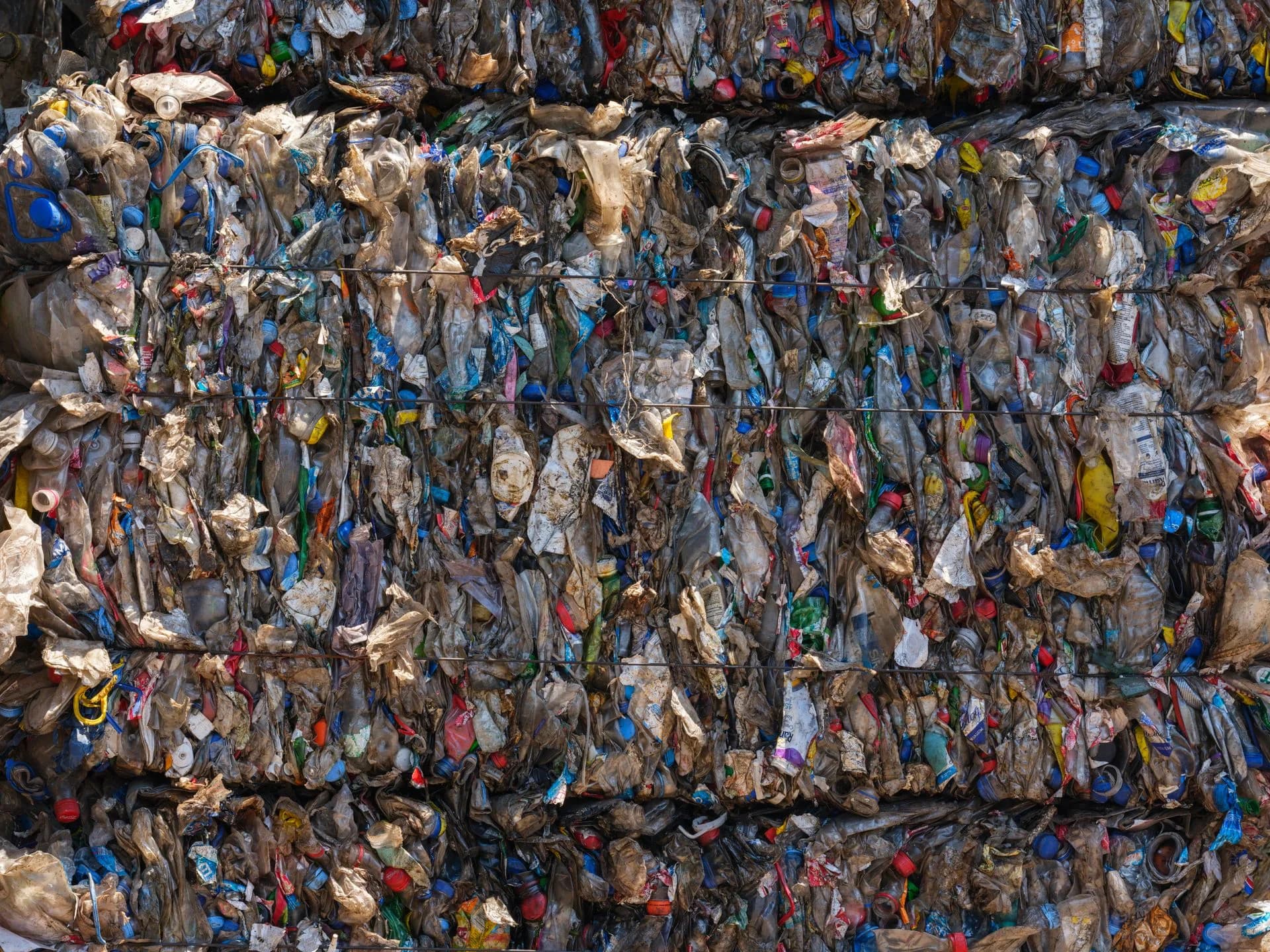
From Saturday, 21 November 2026, the European Union banned exports of plastic waste to non-OECD countries under its Waste Shipment Regulation, for at least two and a half years until 21 May 2029. The measure is intended to ensure the EU takes greater responsibility for the waste it generates, the European Commission said.
In 2025, non-OECD countries received 735,000 tonnes — about half of the 1.46 million tonnes of plastic waste the EU exported outside the bloc. The largest destinations were Türkiye, with 510,000 tonnes, Malaysia with 276,000 tonnes, Indonesia with 215,000 tonnes and Vietnam with 137,000 tonnes. The United Kingdom received 108,000 tonnes.
The scale of the problem
The EU generates around 40 million tonnes of plastic waste every year and exports between 1 and 1.5 million tonnes annually. In 2025, around half of EU plastic waste exports went to OECD countries and half to non-OECD countries. The ban covers the non-OECD share of that trade.
Spain and the Netherlands are the most exposed member states, sending 70% and 77% of their plastic waste exports to non-OECD countries. Their export routes will need to change more than those of other member states.
Plastic waste mismanagement is one of the most serious forms of global environmental pollution, according to the Commission. Exporting plastic waste to non-OECD countries is likely to create serious environmental challenges there and is not a sustainable way of managing plastic waste generated in the EU.
What the regulation does
The Waste Shipment Regulation entered into force on 20 May 2024. It introduces stricter rules for plastic waste exports, and aims to ensure EU waste exports are properly managed and that the EU does not shift its environmental waste burden to non-EU countries.
The ban on exports of plastic waste to non-OECD countries will apply until at least 21 May 2029, after which those countries may apply to receive such waste from the EU. As a general principle, the EU will no longer export waste to non-OECD countries from 21 May 2027. As an exception, exports of certain non-hazardous wastes may be authorised to non-OECD countries that explicitly request to continue receiving waste from the EU and demonstrate that they can manage it in a sustainable manner.
The first list of countries authorised to receive waste from the EU will be established by the end of 2026. The list will be updated at least every two years, with the possibility for countries or types of waste not on the list to apply again.
Türkiye and the OECD question
Plastic waste exports from the EU to OECD countries remain possible but are subject to greater scrutiny. The European Commission is monitoring these exports and will assess whether countries receiving significant volumes have the capacity to manage the waste in an environmentally sound manner. On 18 September 2026, the Commission published its assessment of the sustainability of plastic waste exports from the EU to Türkiye.
Türkiye, as an OECD member, remains eligible to receive EU plastic waste and is expected to absorb much of the redirected volume. Türkiye was already the largest destination for EU plastic waste exports in 2025, receiving 510,000 tonnes.
A wider push on plastics
The ban forms part of the EU's broader push to tackle plastic pollution, strengthen its circular economy, and promote responsible waste management at home and abroad. It aligns with the EU's drive for an ambitious global treaty on plastic pollution covering the full life cycle of plastics.
To strengthen Europe's plastic recycling capacity, the Commission set out measures in December 2025 to boost the Single Market for recycled plastics, unlock investment and stimulate innovation to scale up recycling and circular solutions.
The ban arrives in a month of mixed news for environmental policy. The COP31 summit in Antalya ended without a fossil-fuel deal, and analysis of the summit pointed to a breakdown of climate consensus in the negotiations. In Germany, wind power has surged as coal and gas decline. The plastic waste ban differs from those stories: it is a regulation already in force, not a negotiation.