Thailand plans to stop exporting chemicals used in rare-earth mining to Myanmar, after pollution in its northern rivers reached levels far beyond the national safety standard. Deputy Prime Minister Yodchanan Wongsawat said on Saturday that the ban aims to cut off supplies to unregulated mines blamed for poisoning the rivers. Arsenic in the Kok and Sai rivers has surged to as much as 28 to 30 times Thailand's safety standard.
The contamination has spread into the Mekong at Chiang Saen, where the river forms part of Thailand's northern border. The government will designate a 150-kilometre stretch of the Kok River a pollution control zone from 2 December, install about 20 real-time water monitoring stations, and hold ministerial talks with China and Myanmar on 24–26 November.
Arsenic at Thirty Times the Limit
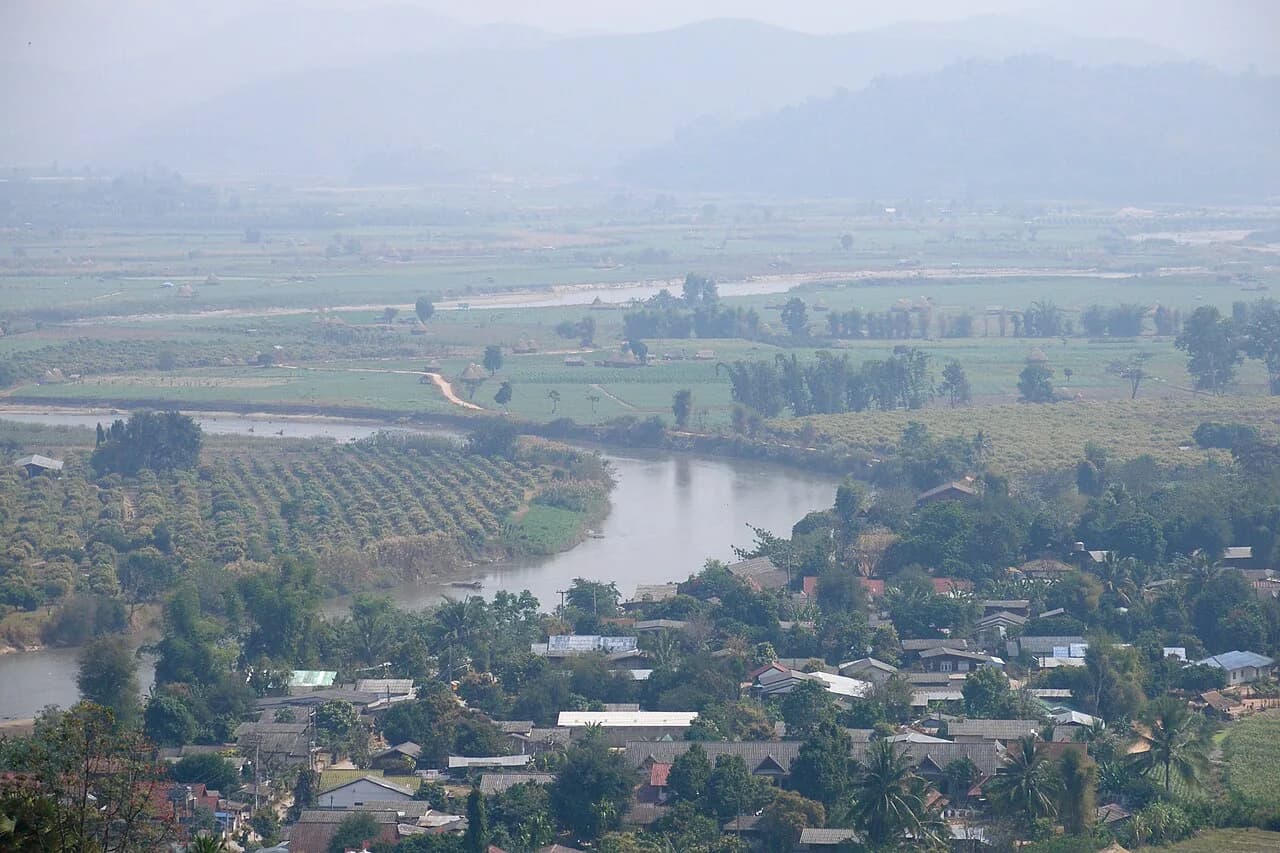
The Kok and Sai rivers run through northern Thailand before joining larger waterways. Arsenic at 28 to 30 times the safety standard shows the scale of the pollution, and the spread into the Mekong at Chiang Saen shows it is no longer confined to the two rivers.
The mines blamed for the pollution are in Myanmar, across the border from Thailand. They are unregulated, according to the Thai government, and the chemicals used to extract rare earths from the ore are the target of the planned export ban.
Cutting Off the Supply
Rare-earth mining uses chemicals to separate the metals from ore. By stopping exports of those chemicals to Myanmar, Thailand aims to make the unregulated mines harder to operate. The measure targets the supply chain rather than the mines themselves, which sit outside Thai jurisdiction.
The ban is a trade measure with an environmental purpose. It will only work if the chemicals cannot reach the mines through other routes, a question the ministerial talks with China and Myanmar may address.
A River Under Watch
From 2 December, a 150-kilometre stretch of the Kok River will become a pollution control zone. The designation brings the stretch under closer official management, and about 20 real-time water monitoring stations will track contamination as it happens.
Real-time monitoring matters because arsenic levels in a river can change with rainfall, mining activity and the seasons. Continuous data will show whether the export ban and other measures are bringing levels down, or whether the pollution is continuing.
The pollution control zone takes effect on 2 December, giving officials a fixed date to work toward. The monitoring stations will provide the data that shows whether arsenic levels fall once the export ban takes hold, or whether the rivers stay polluted despite the measures. That evidence will shape what Thailand does next, and whether the government needs stronger action.
Talks With Neighbours
Thailand will hold ministerial talks with China and Myanmar on 24–26 November. The talks are the first formal step toward a coordinated response, since the mines, the chemicals and the rivers cross national borders.
The export ban, the pollution control zone and the monitoring stations are all measures Thailand can take on its own. Whether they are enough depends on what happens across the border, and on what the three governments agree in the talks next week.