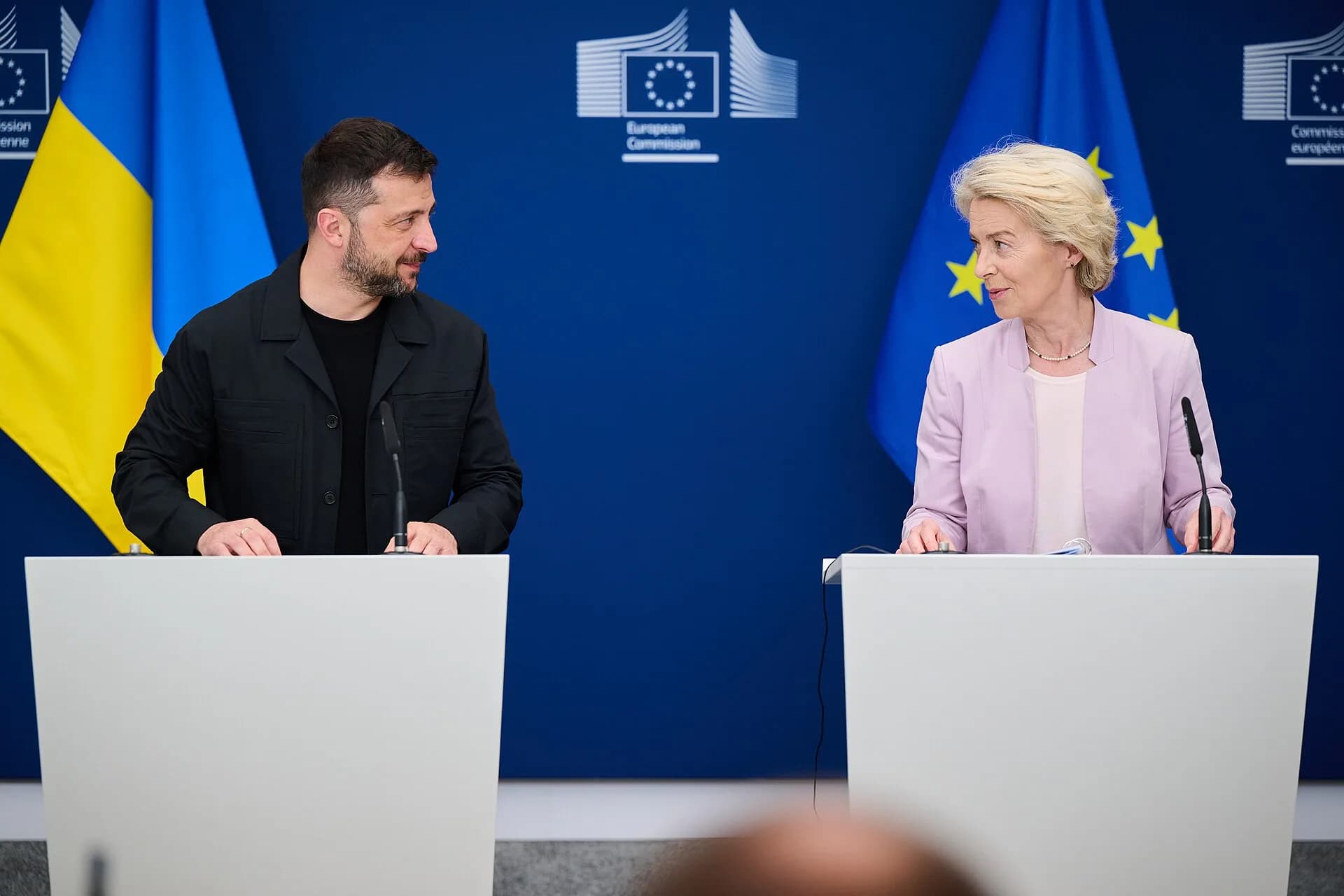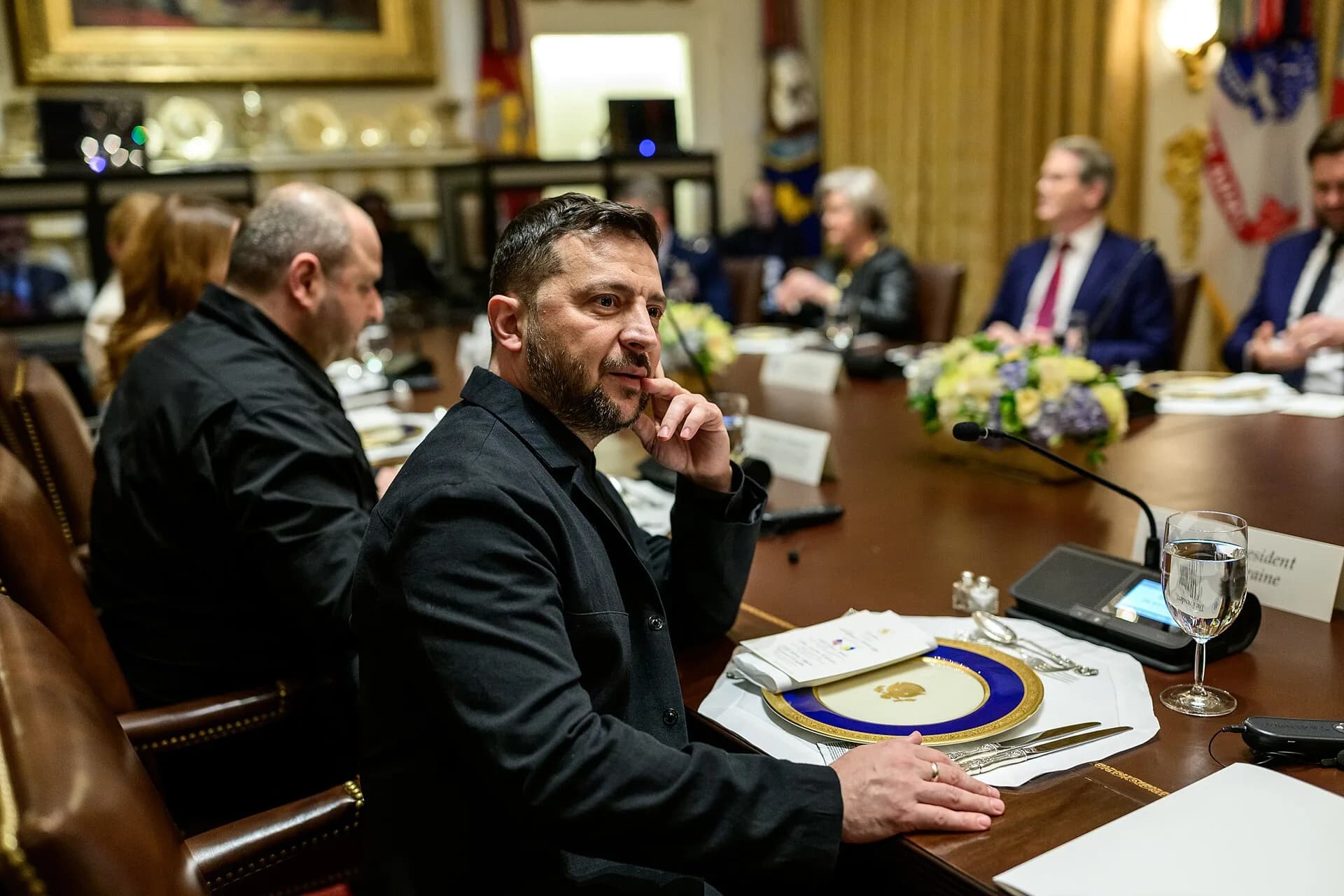
Donald Trump and Volodymyr Zelenskiy said on Sunday, 22 November 2026, that a revised 20-point peace framework for Ukraine was about 90 percent agreed after more than three hours of talks at Mar-a-Lago in Florida. Zelenskiy said bilateral security guarantees between the United States and Ukraine were fully agreed. Trump said the two sides were getting a lot closer, and possibly very close. Territory remained the point neither leader could close, and no final agreement was announced.
The meeting followed a week of fast diplomacy. Trump met Vladimir Putin and Xi Jinping at a trilateral summit in Shenzhen, then called into a meeting of Ukraine's Coalition of the Willing allies in Berlin on Thursday, 19 November. Zelenskiy said on Saturday, 21 November, that Trump told the European leaders in that call that they were spending a lot on the war in Ukraine and could spend the money at home if a peace deal were reached with Russia. Zelenskiy quoted Trump as saying that Europe was spending a lot of money and could spend it on itself after the end of the war.
A plan revised from 28 points to 20
The framework discussed in Florida was a revised version of an earlier 28-point proposal. That proposal had drawn criticism from United States senators who said it gave too much to Russia. Senator Angus King, an independent from Maine, said at the Halifax International Security Forum that the plan rewarded aggression. Senator Jeanne Shaheen, a Democrat from New Hampshire, called it an outrage and described it as a plan written to suit Russia. Senator Mitch McConnell, a Republican from Kentucky, said in a statement that if administration officials were more concerned with appeasing Putin than securing real peace, the president should find new advisers.
The revised 20-point draft kept security guarantees at its centre. Zelenskiy said the bilateral guarantees with the United States were 100 percent agreed, while Trump put the figure at 95 percent. Zelenskiy said guarantees involving European partners were almost agreed. The two leaders also discussed economic and reconstruction arrangements, and Zelenskiy said the sequence of next steps had been fixed. Working-level teams were expected to meet again in Washington in the coming weeks.
Security guarantees, and the limits of the offer
The guarantee question had moved during the week. In Berlin on 19 November, Jared Kushner, one of Trump's envoys, said Russia had been brought round to a security guarantee for Ukraine based on Article 5, the NATO mutual defence clause. The next day, Russian Deputy Foreign Minister Sergei Ryabkov called any formula for Ukraine's quasi-membership of NATO unacceptable to Russia. Zelenskiy said on 21 November that he had seen no such guarantee on paper.
Zelenskiy also said the United States had raised, for the first time, the idea of Ukraine joining NATO in exchange for withdrawing its forces from Donbas. He said he would put any comprehensive package to a public referendum if it included concrete guarantees, including NATO and European Union membership, a strong army and a funded recovery plan. He said details were not yet available. He repeated that Ukraine would not recognise occupied territory as Russian.
Donbas remains the gap
Putin has shown no sign of dropping his demand that Ukraine surrender all of Donbas in return for peace, according to Reuters. Zelenskiy has rejected that demand, saying many Ukrainian soldiers have died defending land there since Russia's full-scale invasion in 2022. In Florida, Zelenskiy said he would withdraw Ukrainian troops from Donbas only if Russia also pulled back and the area became a demilitarised zone monitored by international forces. Putin wants all territory his forces hold in four regions, plus Crimea, recognised as Russian, and Ukraine to withdraw from land Moscow has not captured. Kyiv has rejected those demands.
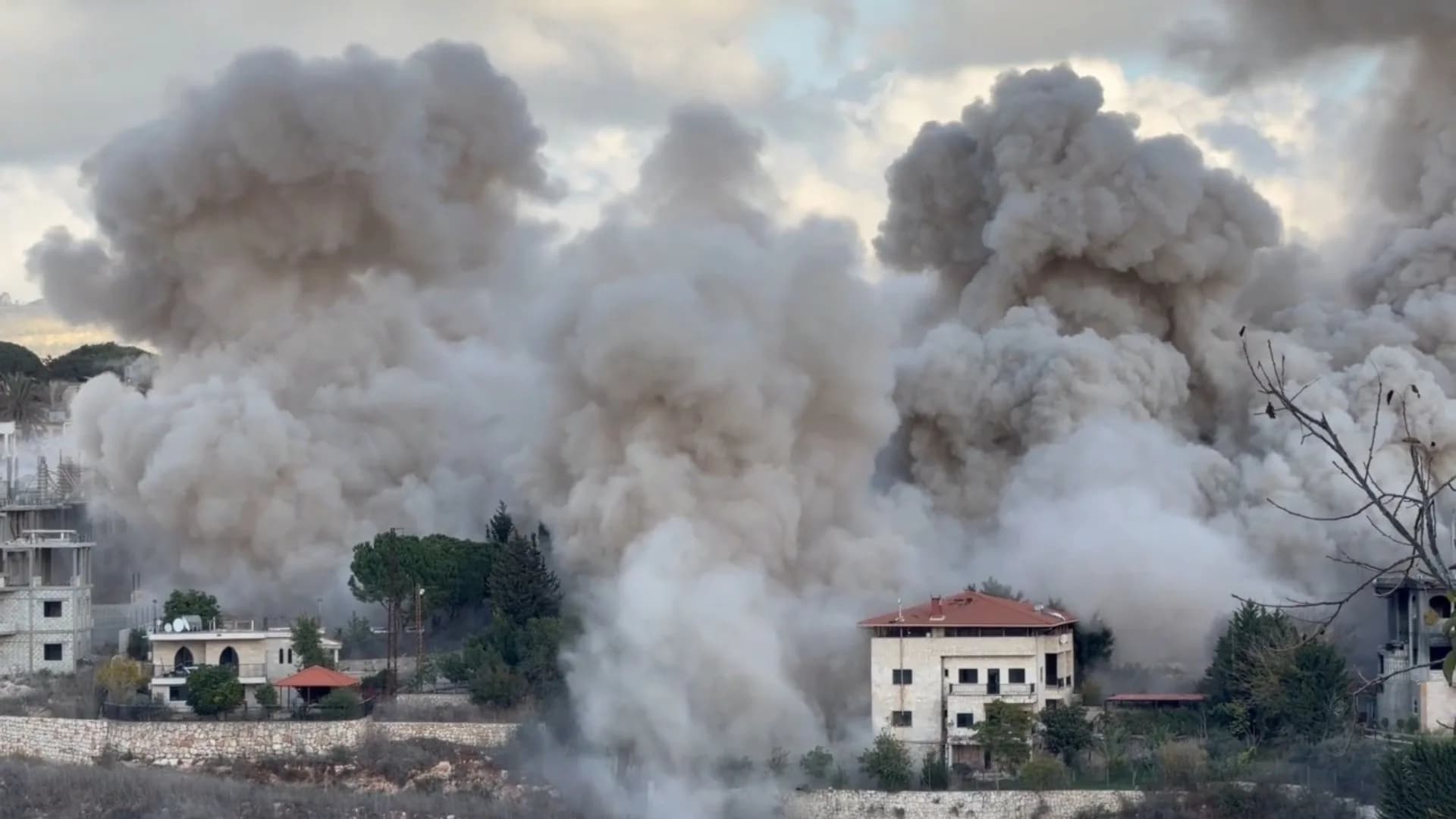
The fighting continued while the talks went on. Zelenskiy said Russia had again attacked civilian targets overnight in Kryvyi Rih, his home city, where at least two people were killed, including a seven-year-old boy. Both sides denied deliberately targeting civilian infrastructure.
What the Florida talks leave open
Zelenskiy said the United States wants the next round of trilateral talks with Russia to happen before Christmas, and that he has agreed. He suggested the meeting could take place at the G20 summit in Miami on 14 and 15 December. Trump has invited Putin to that summit. Zelenskiy has not yet received an invitation. The Financial Times reported that Washington wants a peace agreement by early January 2027, a timetable that raised concern in European capitals about pressure on Kyiv to make concessions.
The Florida meeting produced progress in the leaders' own accounts, and no settlement. The guarantees Zelenskiy described as agreed still need written terms, and the territorial question still needs an answer neither side has given.