Tajikistan has formally begun withdrawing from the International Criminal Court, becoming the fourth country to start the process since the United States launched what it called a diplomatic push to dismantle the court. The presidency of the court's governing body said in a statement on Monday, 23 November, that Tajikistan's move "risks undermining the collective pursuit of justice and weakens global efforts to end impunity".
Tajikistan lodged its withdrawal notification on 20 November 2026, recorded in United Nations depositary notification C.N.506.2026.TREATIES-XVIII.10. Under Article 127(1) of the Rome Statute, the withdrawal takes effect one year later, on 20 November 2027.
The Fourth Exit Since July
Tajikistan joins Chad, Venezuela and Naoero, a tiny Pacific island nation formerly known as Nauru, which have also announced their withdrawal since the United States called for countries to leave the court in July. Burkina Faso, Mali and Niger announced their exits the previous year, denouncing the court as an instrument of "neocolonial repression".
The ICC now has 125 member states, a figure that still includes the seven states that have formally started the one-year withdrawal process. Once those withdrawals take effect, the court's membership will fall accordingly.
The seven states in the withdrawal process tell the story in one number. Three — Burkina Faso, Mali and Niger — announced their exits the previous year. Four — Chad, Venezuela, Naoero and now Tajikistan — have begun the process since the United States called for countries to leave in July. The court's membership, counted at 125, still includes all seven until their one-year periods run out.
What the Court Said
The statement from the presidency of the ICC's governing body warned that Tajikistan's move risks undermining the collective pursuit of justice and weakens global efforts to end impunity. It also said the decision to withdraw does not release a state from obligations incurred while it was still a party to the treaty.
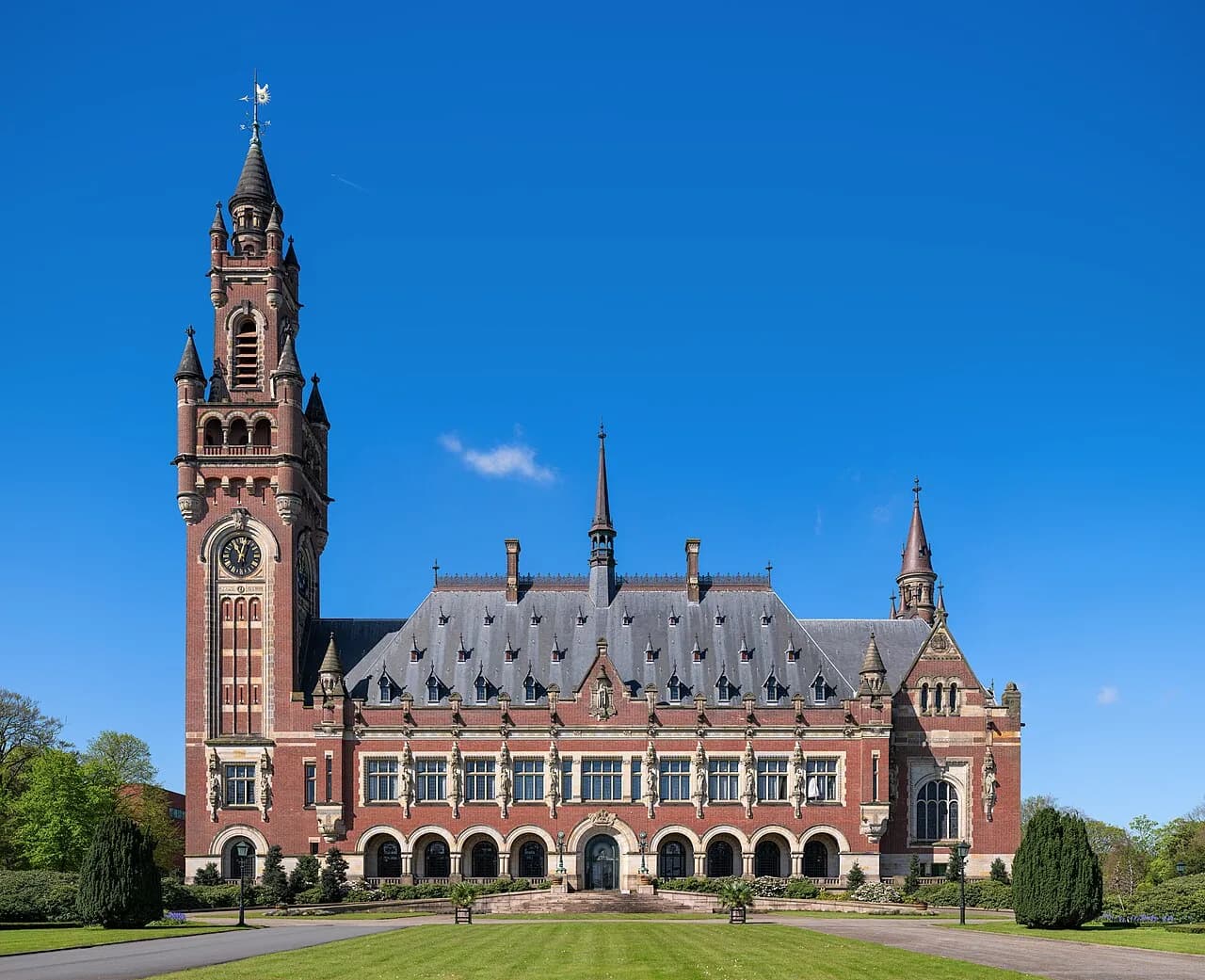
The ICC is the world's permanent war crimes tribunal. It prosecutes individuals accused of genocide, crimes against humanity, war crimes and the crime of aggression when national courts are unwilling or unable to act.
A Visit That Coincided
The announcement coincided with a state visit to Tajikistan by Russian President Vladimir Putin, reported by Deccan Chronicle and Al Jazeera. The reporting available gives no stated reason from Tajikistan for the withdrawal, and the timing of the visit is noted here as timing only, not as a cause.
No motive for Tajikistan's decision appears in the Reuters report. The "diplomatic push" framing is Reuters' own description of the United States campaign against the court.
What Happens Next
Tajikistan remains a party to the Rome Statute until 20 November 2027, and its obligations from the period of membership continue after withdrawal. The court's governing body has not said what further steps, if any, it will take in response.
The test now is whether other states follow. The United States called for countries to leave the court in July, and four have begun the process since then. Each new withdrawal narrows the court's membership and the reach of the only permanent international tribunal for war crimes.