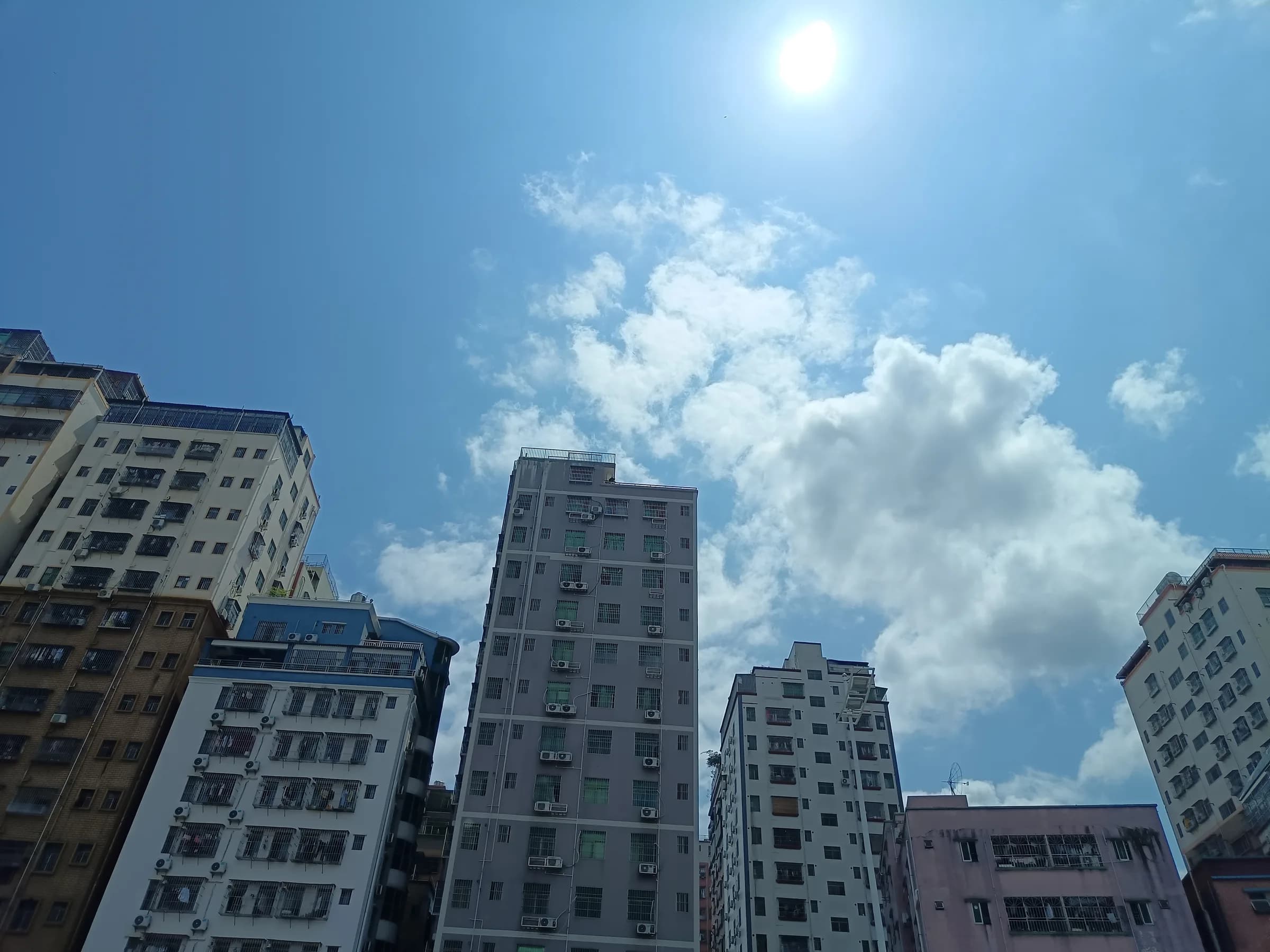
The presidents of the United States, China and Russia met together for the first time on Thursday, 19 November 2026, in Shenzhen, China, on the sidelines of the Asia-Pacific Economic Cooperation summit. The meeting brought Donald Trump, Xi Jinping and Vladimir Putin into one room for talks that focused on Ukraine, nuclear weapons, artificial intelligence and trade, and it ended with a joint declaration that promised dialogue but announced no binding agreement.
Trump met Putin face to face for about 40 minutes in a Shenzhen conference centre before the two men travelled to join Xi at a state villa about 10 kilometres away, Le Monde reported. There, with Xi seated in the middle at a large oval table, the three leaders held the long-anticipated trilateral session. The Hindu BusinessLine reported that it was the first time the three presidents had held a trilateral summit.
The meeting took place during the 33rd APEC Economic Leaders' Meeting, held in Shenzhen on 18 and 19 November under the theme "Building an Asia-Pacific Community to Prosper Together". Leaders of the 21 APEC member economies discussed trade, artificial intelligence and supply-chain resilience. Xi welcomed Trump on the airport tarmac on Wednesday with a red carpet, honour guards, ceremonial music and a military jet flyover, according to USA Today.
Trump described the bilateral trade talks with Xi as productive. Trump also said the two countries had agreed, under what he called the "30-for-30" deal, to cut tariffs on 30 billion dollars of trade. That figure is Trump's own account of the arrangement; no joint text confirming the details was published in the sources reviewed for this article.
A declaration, not a settlement
The gathering produced a joint declaration pledging dialogue on reducing nuclear risks, maintaining stable energy supplies and reforming the United Nations, the New York Post reported. It stopped short of announcing major breakthroughs on Ukraine or Iran. The leaders agreed to pursue dialogue on reducing nuclear risks and preventing proliferation, but announced no binding arms reductions and no timetable for negotiations.
Trump called Putin a friend ahead of their separate bilateral meeting and said resolving the war in Ukraine would be a central focus. After the meetings, Trump told reporters that no breakthrough had been achieved in his efforts to negotiate an end to Russia's war in Ukraine. He also pointed to possible cooperation with China on Iran, saying Washington and Beijing shared an interest in preventing Tehran from acquiring a nuclear weapon and in keeping energy flowing through the Strait of Hormuz.
Xi cast himself as the host who could bring the three leaders together, seated at the centre of the table beneath a large painting of the Great Wall. Trump praised Xi for the ceremonial welcome and said their friendship had grown closer over the years.
Reactions at home and abroad
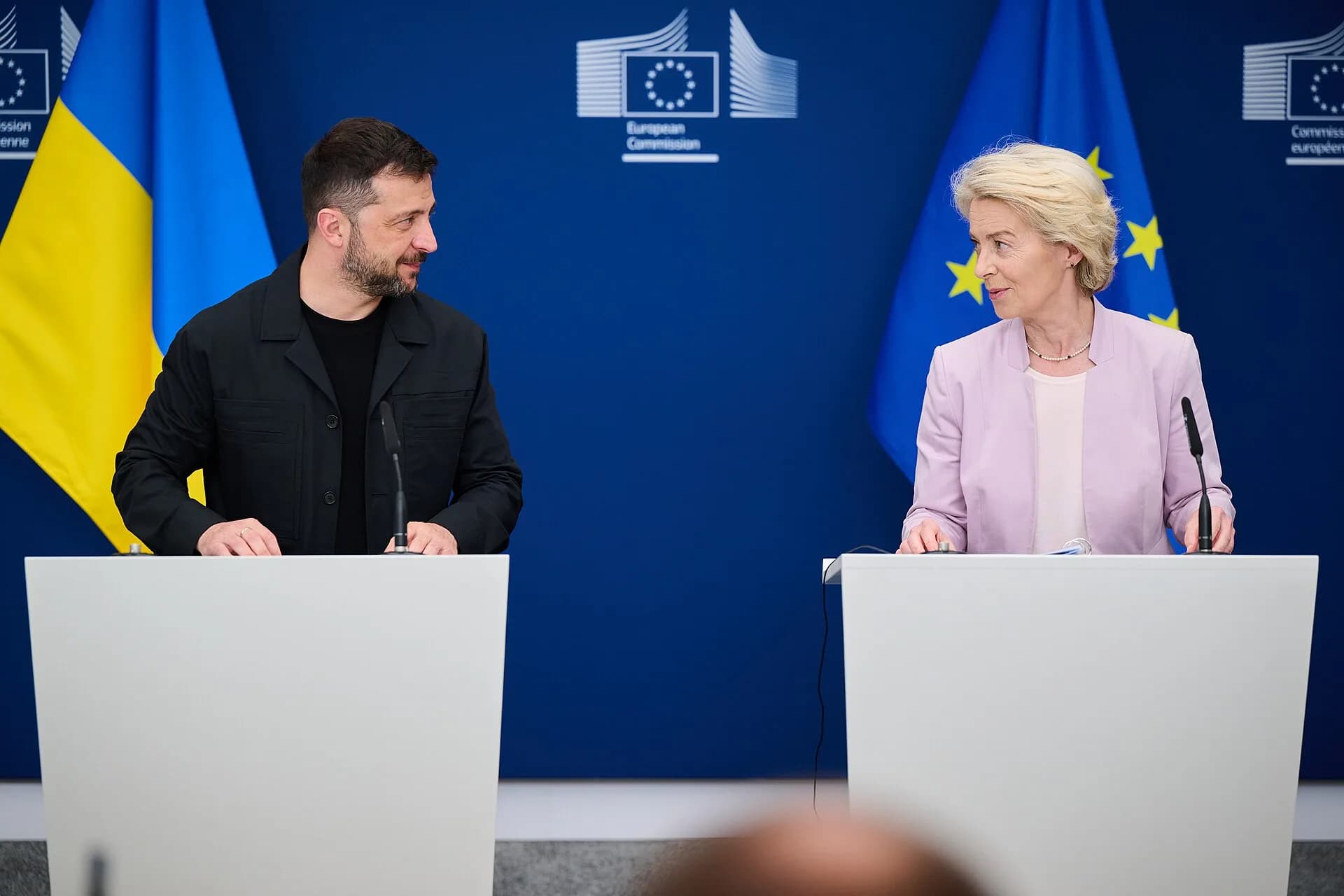
The meeting drew heavy criticism in the United States and among America's historic partners, Le Monde reported, because it placed Trump alongside two leaders the United States regards as its chief geopolitical adversaries. Trump defended the trilateral meeting, saying dialogue with both men was necessary to address the wars in Ukraine and Iran.
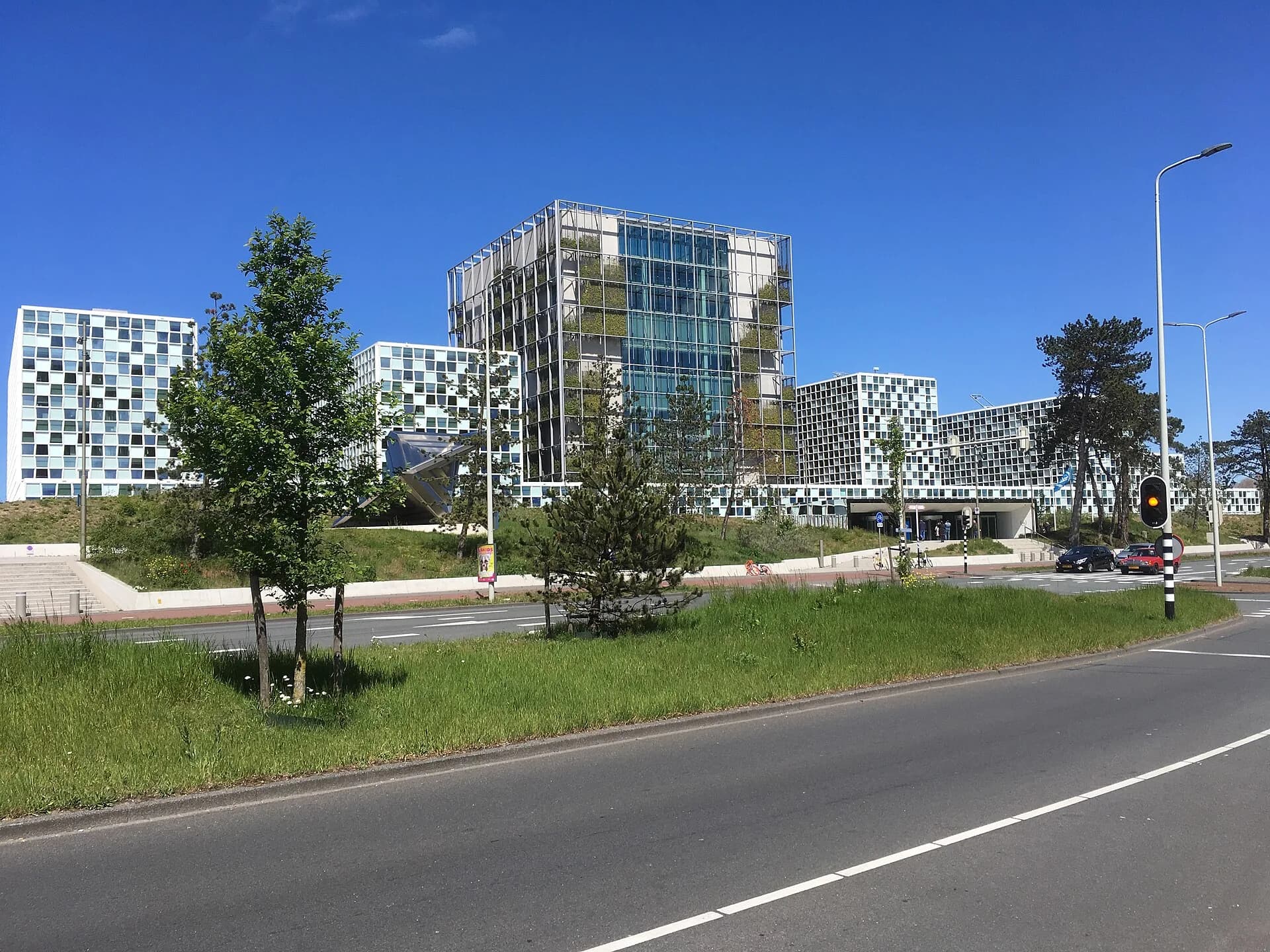
For Putin, the appearance carried its own value. He had been absent from the APEC forum for nine years, since Russia's large-scale invasion of Ukraine in 2022, and International Criminal Court arrest warrants have complicated his travel. His return to the summit, and his place at the table with the American and Chinese presidents, restored a measure of international visibility that he had lost since the invasion began.
At the APEC plenary session on 19 November, Trump used his appearance to declare the United States the world leader in superintelligence, while opposing heavy-handed global regulation of artificial intelligence. Xi, addressing the APEC CEO Summit on 18 November and the leaders' plenary on 19 November, urged member economies to resist protectionism and remove trade barriers, and announced an Asia-Pacific Community Research Centre in Shenzhen.
What the meeting changes
The Shenzhen meeting matters because it happened at all, and because of what it did not produce. The three leaders, who together control about 90 percent of the world's nuclear weapons, sat down together for the first time and agreed to keep talking about nuclear risk. That is a real outcome, though a modest one.
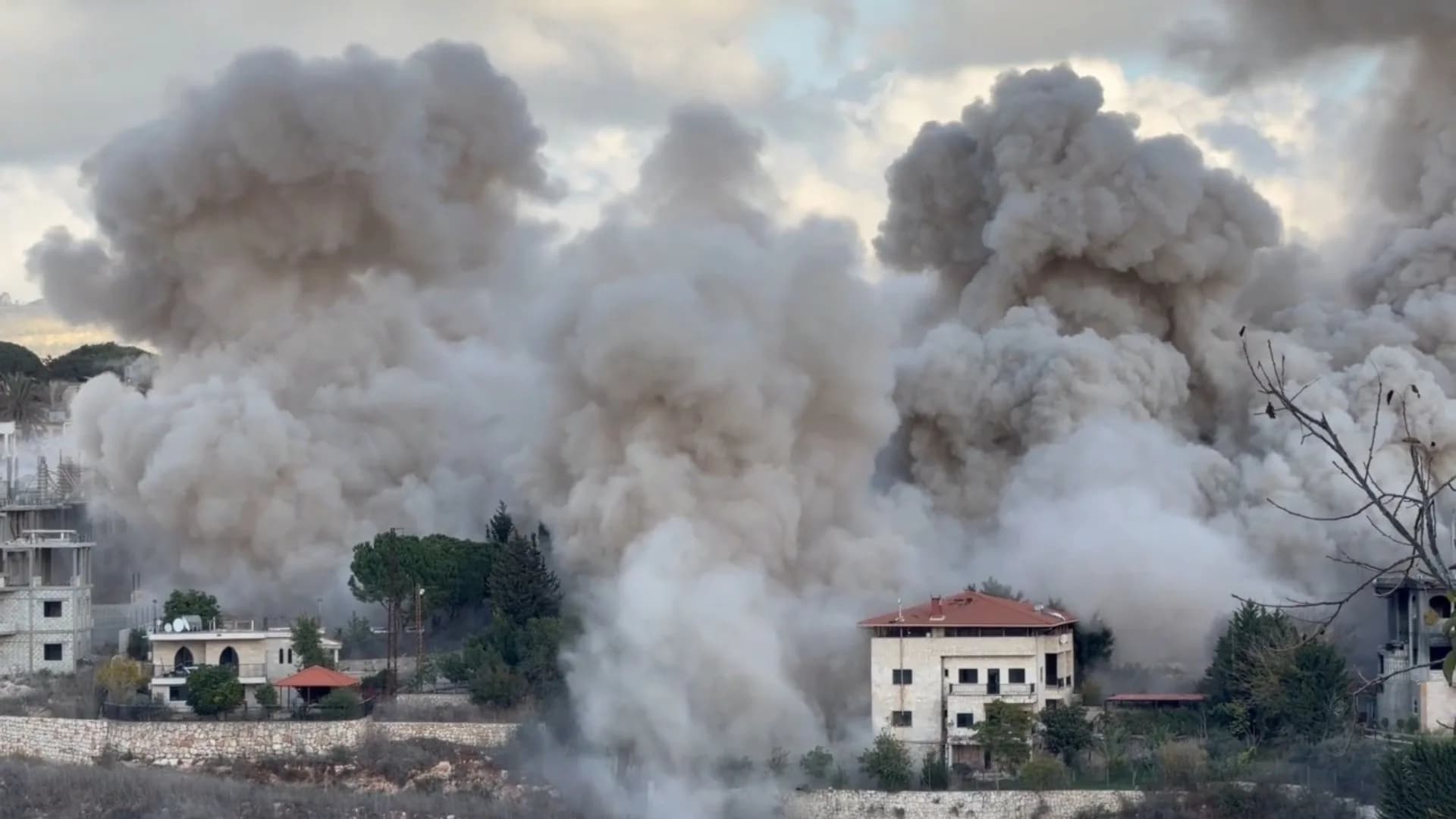
On the two wars that dominated the agenda, nothing was settled: Ukraine remains unresolved, and Iran remains under a US naval blockade. Trump's scheduled press conference on Friday, 20 November, was expected to offer more detail on what the meetings accomplished and whether the discussions would lead to concrete agreements. Until a written text or a verified follow-up appears, the Shenzhen declaration should be read as a statement of intent, not as a settlement.