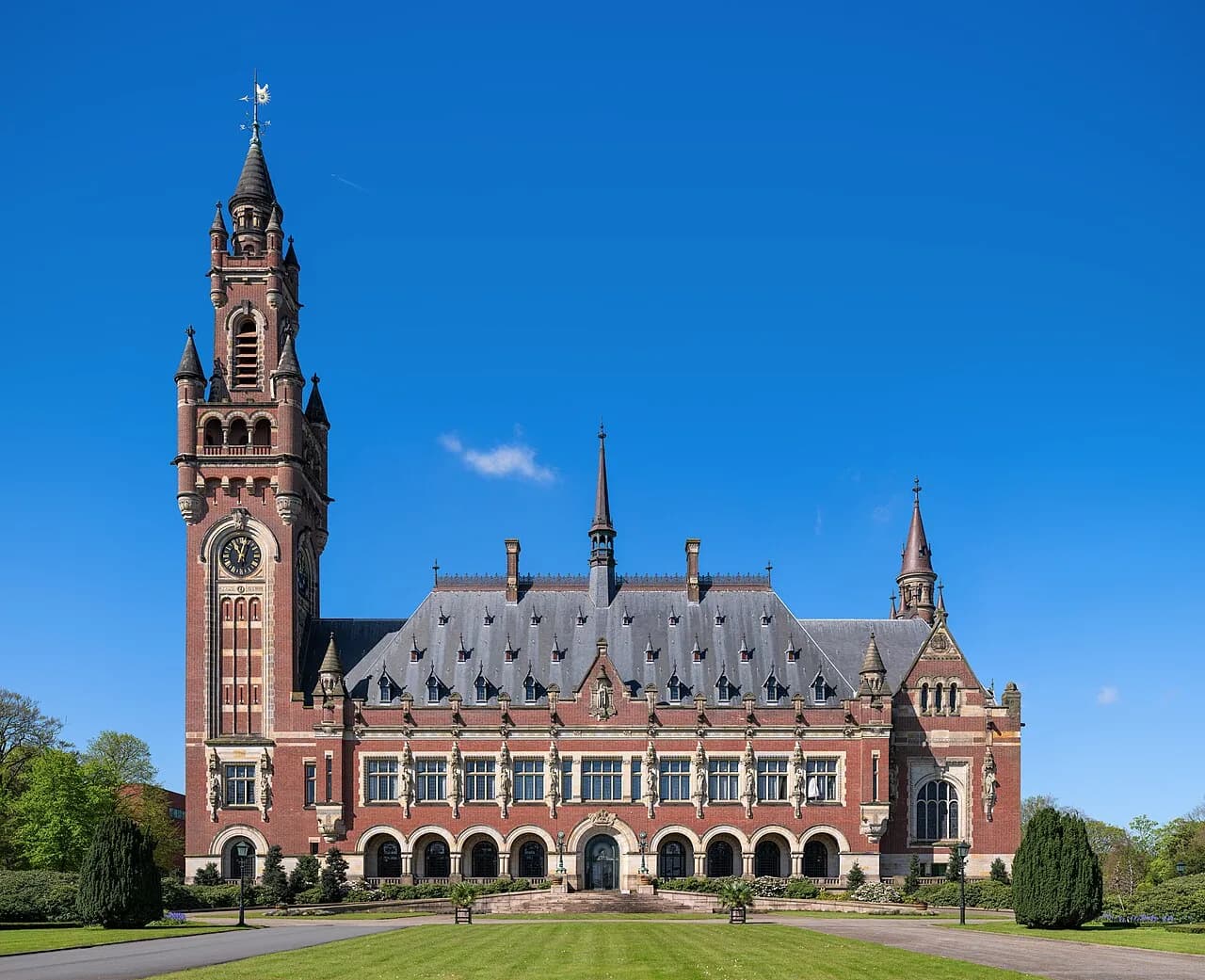
The International Court of Justice has ruled that Myanmar committed genocide against the Rohingya, the first time the court has held a state responsible for the crime. The court decided by nine votes to six that Myanmar's military committed genocide during its "clearance operations" in northern Rakhine State in 2016 and 2017.
The ruling, delivered on Thursday, found that about 10,000 Rohingya were killed and that security forces committed widespread sexual violence and extreme violence against children. About 750,000 people fled to Bangladesh. Myanmar was ordered to pay reparations, to facilitate the safe return of refugees, and to report on restitution within two years. The country's military-backed government dismissed the ruling as "unfair".
A First for the World Court
No state had previously been found responsible for genocide by the court. The decision is therefore a first in the court's history, and a precedent other governments and courts will study. For the Rohingya, it is a legal finding that what happened to them in 2016 and 2017 was genocide under international law.
The case concerned the military's campaign in northern Rakhine State in 2016 and 2017, which the military described as clearance operations. The court examined the evidence from that campaign and concluded that it amounted to genocide.
What the Court Found
The court found that about 10,000 Rohingya were killed during the operations. It also found that security forces committed widespread sexual violence and extreme violence against children. The violence drove about 750,000 people across the border into Bangladesh.
The nine-to-six vote shows the decision was not unanimous. Six judges disagreed with the majority, though the court's ruling stands regardless of the split. The court publishes its judgments with the votes of each judge, and the split shows that the question divided the bench. The ruling nevertheless carries the authority of the court, and Myanmar is the state the judgment addresses.
Reparations and Return
The court ordered Myanmar to pay reparations and to facilitate the safe return of refugees. It also ordered the government to report on restitution within two years. Those orders set out what Myanmar must do, but the court has no police force of its own. Enforcement depends on the United Nations Security Council and on pressure from other states.
For the Rohingya in Bangladesh, the ruling is a recognition of what happened to them. Return, however, depends on conditions in Rakhine State, and on whether Myanmar's government acts on the court's orders. A ruling on paper does not by itself make return safe.
Myanmar's Response
Myanmar's military-backed government dismissed the ruling as "unfair". Whether it will comply with the orders on reparations and return remains to be seen.
The government's dismissal came as the judgment was delivered. The ruling does not depend on Myanmar's acceptance of it. The court's orders on reparations, return and reporting stand as the judgment of the court, whether or not the government agrees with them.
The ruling closes a legal question that has been open since 2017: did Myanmar commit genocide? The court's answer is yes. What remains open is the practical question — whether a state that rejects the ruling will pay reparations and allow refugees home.