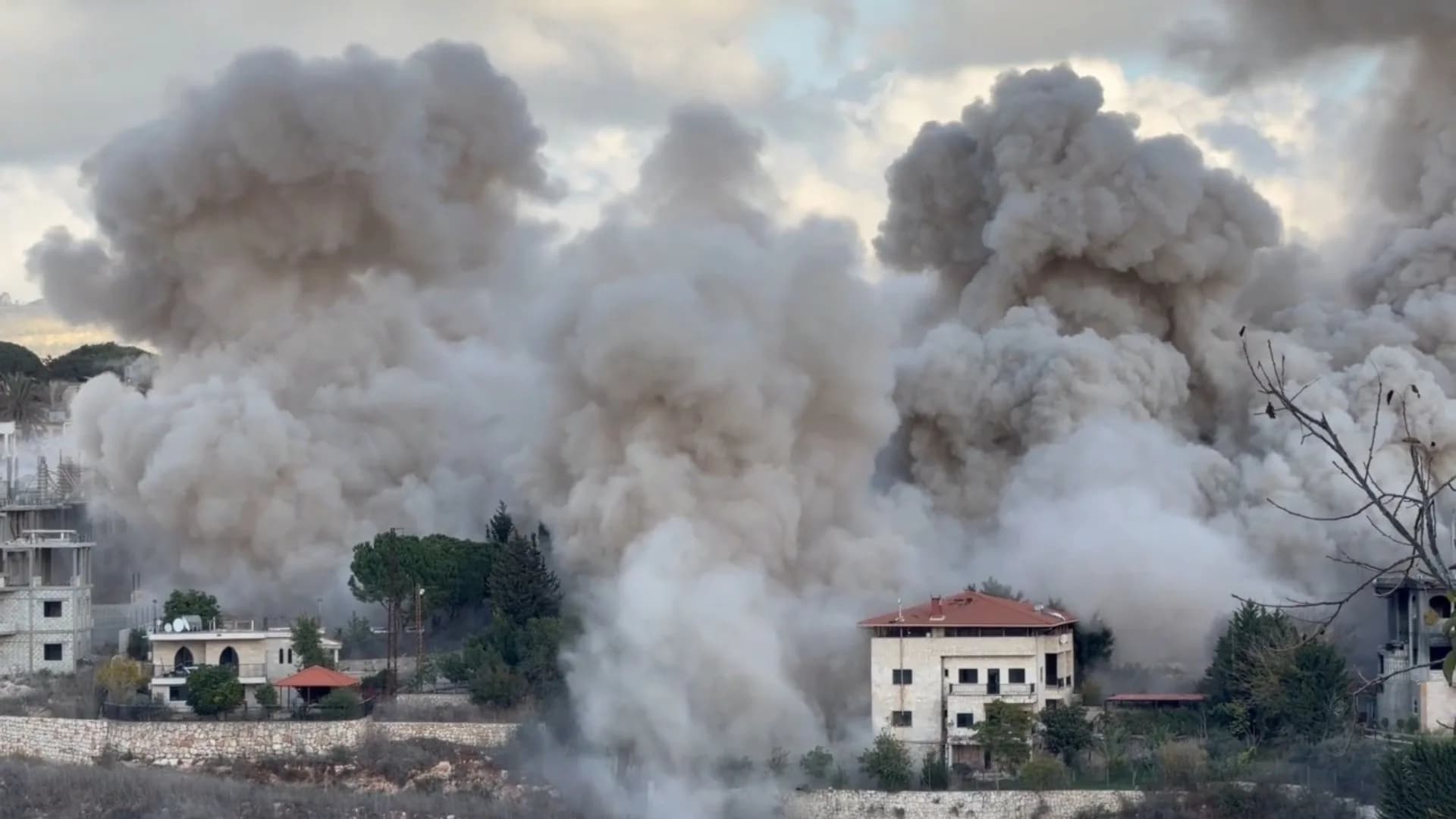
Two Russian missiles and a suspected drone came down in south-eastern Poland on Friday, 20 November 2026, during a large Russian overnight attack on Ukraine. Polish officials said the objects entered Polish airspace near the border with Ukraine and landed in rural areas. No one was reported killed or injured in Poland, and no substantial damage was reported there.
Polish Prime Minister Donald Tusk said it appeared that Poland was dealing with an intentional provocation by Russia. NATO Secretary-General Mark Rutte called the incursion a grave violation of Polish airspace. He wrote on X: "This incident is clearly dangerous — a consequence of Russia's ongoing war against Ukraine."
The incident took place while European troops were taking part in a two-week military exercise in south-eastern Poland. The exercise, which began on 9 November, was preparing forces for a possible postwar mission in Ukraine. Russia made no immediate comment on 20 November, according to the Associated Press.
Three objects came down in south-eastern Poland
Polish Defence Minister Wladyslaw Kosiniak-Kamysz said a Russian Kh-101 cruise missile crashed in a rural area near Nowy Lipowiec. A second missile, which Polish Armed Forces Operational Commander Brigadier General Ireneusz Nowak said could also have been a Kh-101, crashed near Rudnik nad Sanem. A jet-powered drone crashed near Molodycz. The Institute for the Study of War reported those identifications on 20 November.
One missile came down about 35 kilometres from the military exercise area at Nowa Deba, officials said. A Kh-101 cruise missile went down roughly 50 kilometres from the Ukraine border, and the object identified as a drone came down about 30 kilometres from the border, the Associated Press reported.
Two days later, Polish prosecutors gave a revised account. Reuters reported on 22 November that prosecutors in Lublin said all three objects that flew into Polish airspace on Friday were Russian Kh-101 missiles. Earlier statements had indicated that one of the objects was likely a drone. Preliminary debris findings indicated that the missiles were manufactured in the fourth quarter of 2026 in Russia, the prosecutors said.
Jets scrambled, but nothing was shot down
NATO scrambled Polish, Swedish and Dutch aircraft in response, and NATO air defence activated ground-based radar systems, the Institute for the Study of War reported. Polish and NATO forces did not try to shoot down the missiles and the drone. Nowak said the conditions did not meet the Polish rules of engagement. Poland had said in July 2026 that its forces would engage incoming projectiles if the engagement could threaten populated areas.
A drill was under way nearby
The timing drew attention because the incursion took place during Exercise Koalicja, the first military exercise of the Multinational Force — Ukraine. The exercise ran from 9 to 22 November at Nowa Deba, Poland. The force is the military component of the Coalition of the Willing, a non-NATO initiative of 37 pro-Ukraine states.
Kosiniak-Kamysz said on 20 November that 5,000 to 6,000 personnel from Belgium, France, Estonia, Spain, the Netherlands, Lithuania, Germany, Sweden and the United Kingdom had deployed to Poland for the exercise. Allied defence ministers and military chiefs were in or travelling to Nowa Deba for the exercise's VIP day at the time of the violation.
Tusk and Rutte said the occurrence of the violation on the VIP day was not a coincidence. The Institute for the Study of War assessed that Russia conducted the violations to coincide with the exercise, in an effort to deter support for Ukraine and test NATO responses. That assessment is the institute's judgment, not a statement by the Russian government.
NATO response and the questions that remain
Rutte said NATO would defend every inch of Polish territory, Reuters reported. A meeting of NATO's North Atlantic Council was scheduled in Brussels on Monday, 23 November, to discuss the violation of Polish airspace.
Polish officials asked for more NATO forces and air defence capabilities in response. Kosiniak-Kamysz said he would appeal to Rutte to reinforce Operation Eastern Sentry, NATO's air defence mission on its eastern flank. He also asked allies for additional AWACS aircraft and F-35 jets. Those requests had not been agreed in the sources reviewed for this article.
Poland did not invoke NATO Article 4 consultations in response, the Institute for the Study of War reported. Article 4 provides for emergency consultations among allies. Article 5, the collective defence provision, is not triggered automatically. It is a political decision that all members must agree to.
The incursion took place during a Russian attack on Ukraine in which President Volodymyr Zelenskyy said Russia fired more than 400 drones and more than 110 missiles. Zelenskyy said eight people were killed in Ukraine. Those figures are attributed to Zelenskyy. They describe the attack on Ukraine, not the three objects that came down in Poland.