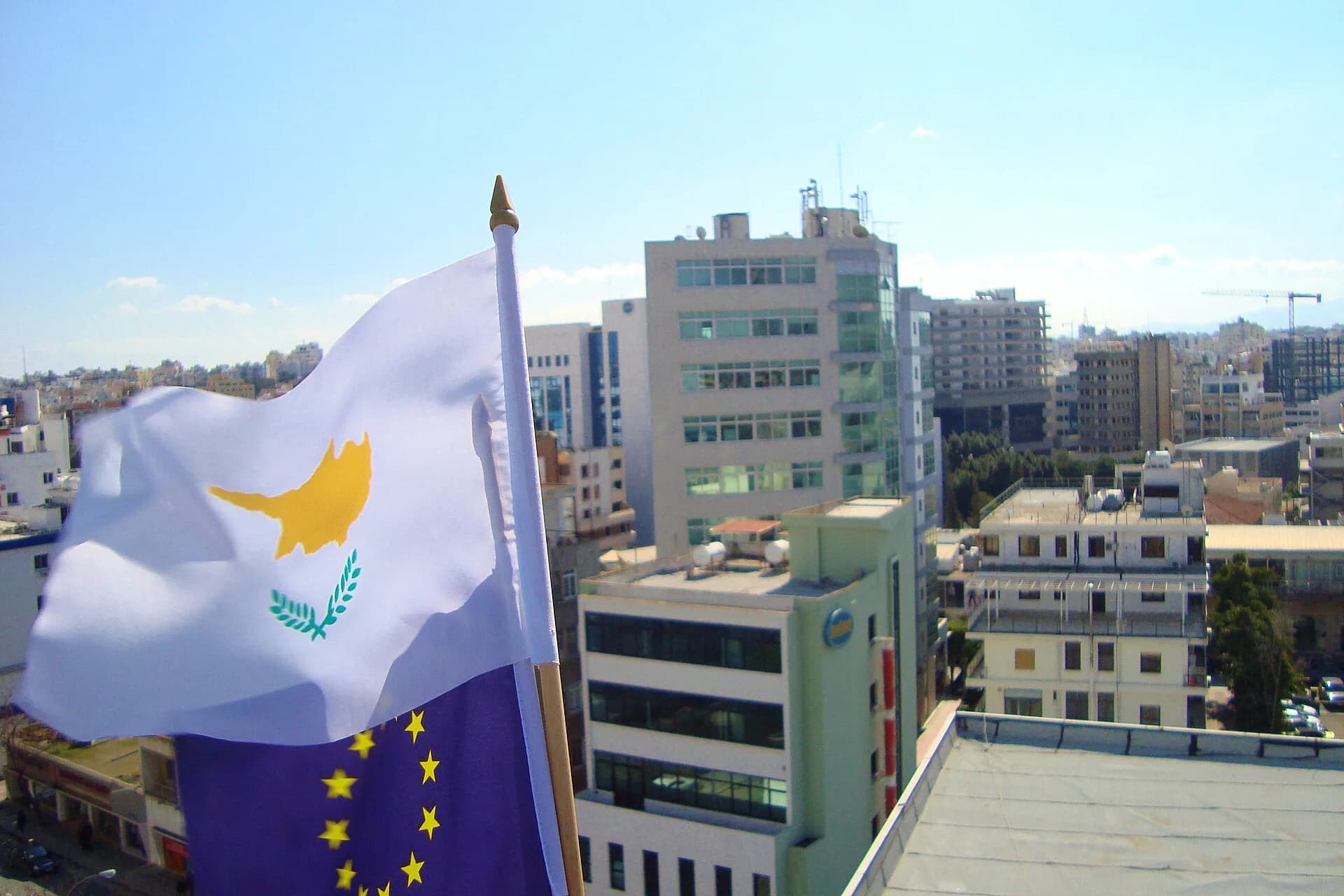
Cyprus expelled two Russian diplomats last week after its intelligence service uncovered a network seeking classified information on the security of Cyprus and the European Union, along with technology whose transfer to Russia is banned under EU sanctions. Two senior Cypriot officials confirmed the expulsions to Politico over the weekend of 22 November, after the Cypriot broadcaster ANT1 Live first reported them.
What the intelligence service found
The Cyprus Intelligence Service, known as KYP, uncovered a network that was trying to obtain classified information about the security of Cyprus and the European Union. The network was also seeking access to technology that EU sanctions bar from being transferred to Russia, according to the officials who spoke to Politico.
The two diplomats were suspected of working for Russian intelligence under diplomatic cover. They cultivated Cypriot citizens who had access to confidential material, building contacts with people whose official duties gave them access to information the network wanted.
ANT1 reported that KYP had watched the two men for months, tracking their movements and meetings in Nicosia and in two other districts as they looked for people they could recruit. The broadcaster said the men did not appear to have obtained any information.
How the expulsions unfolded
The two diplomats were forced to leave the island last week. Their expulsion followed the ANT1 report and the intelligence findings, and two senior Cypriot government officials confirmed the move to Politico over the weekend, speaking on condition of anonymity.
The activity overlapped with the first half of 2026, when Cyprus held the rotating presidency of the Council of the European Union. The timing put the network's work at the centre of the EU's decision-making period, when Cyprus chaired meetings of member states.
The Russian embassy in Nicosia did not respond to Politico's request for comment. The Cypriot government has not named the diplomats. The Insider, an independent Russian investigative outlet, reported that two attaches, Nikita Sergeyev and Alexander Shevtsov, no longer appear on the Cypriot foreign ministry's diplomatic list, which showed 34 staff at the Russian embassy in November, down from 36 in October. Their identification as the expelled diplomats has not been officially confirmed.
A wider European pattern
The Cyprus case fits a pattern that has run since Russia's full-scale invasion of Ukraine in February 2022. More than 700 suspected Russian spies have been expelled from EU states since then, according to the officials cited by Politico, as European governments have moved to dismantle networks operating under diplomatic cover.
Cyprus held the EU Council presidency in the first half of 2026, which put it at the centre of the bloc's work during the period the network was active. The officials who spoke to Politico did not say whether the presidency itself was the target, only that the activity overlapped with it.
What happens next
The expulsions remove two suspected intelligence officers from the island, but the network they were part of may not be fully mapped. The officials who confirmed the case did not say whether further expulsions or arrests are expected, and the Cypriot authorities have not said whether the Cypriot citizens contacted by the network face any action.
For the European Union, the case is a reminder that the campaign against Russian espionage in Europe continues nearly five years after the invasion of Ukraine. The sanctions regime that the network was trying to circumvent remains in place, and the technology it sought is still barred from transfer to Russia.