Lenders backing SpaceX's multibillion-dollar chip financing deal have sought contractual safeguards to stop Elon Musk from launching the Nvidia AI chips that secure their loans into space, the Financial Times reported on 20 November. Their concern is practical: if SpaceX defaulted, chips in orbit could not be repossessed and resold.
The financing package, known as Project Saturn, is described in reports as worth about $43 billion. SpaceX sold about $32 billion of bonds on Thursday, 19 November, in three tranches led by Goldman Sachs and Apollo Global Management. The largest piece, about $25.2 billion of Class A3 notes, was priced at a yield of 8.259 percent — well above the 5.95 percent average for high-grade corporate debt that day.
How the Deal Works
The bonds are issued through Saturn Funding Trust, a special purpose vehicle managed by an Apollo-backed entity. The trust buys the chips and leases them to SpaceX for about five years, keeping the debt off SpaceX's balance sheet and protecting its investment-grade rating. Lease payments are due to start when the hardware arrives, with deliveries of Nvidia Vera Rubin NVL72 systems expected to begin in the first half of 2027.
The structure drew strong demand. Apollo and Goldman Sachs said on 20 November that about $44 billion of notes had been priced after the deal was upsized, with anchor commitments from BlackRock, Goldman Sachs Asset Management and KKR, and $4 billion from Pimco. Moody's rated the notes A3, one notch above SpaceX itself, and KBRA rated them A-minus.
Why Orbit Breaks the Collateral
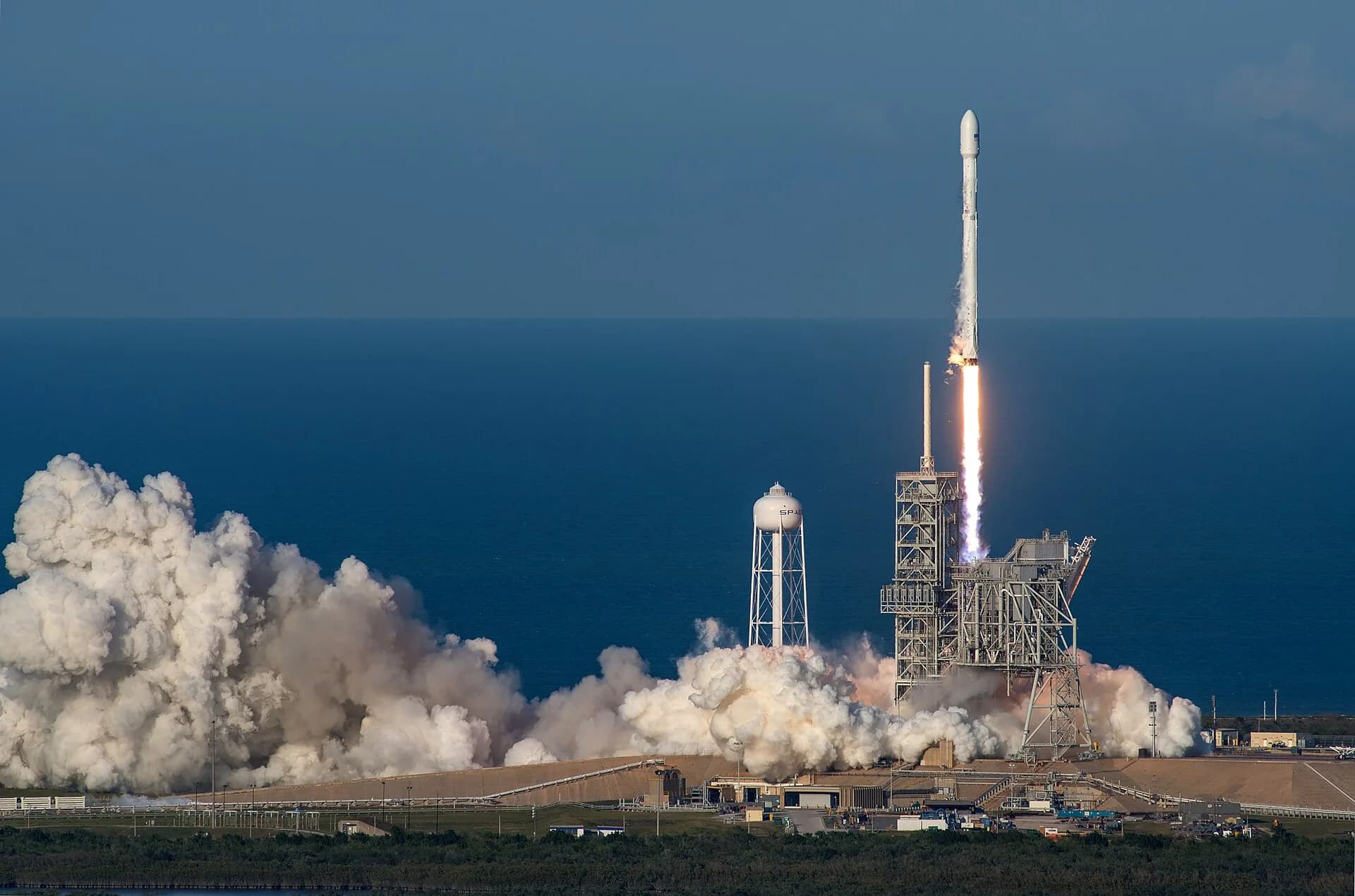
The lenders' worry is that collateral only works if it can be found, seized and sold. A rack of Nvidia chips in a data centre in Texas can be repossessed. The same rack in orbit, hundreds of kilometres up and moving at roughly 27,000 kilometres per hour, cannot. The lenders therefore sought a clause preventing SpaceX from sending the chips into space at a later date.
It is not clear whether the clause made it into the signed documents. The Financial Times report, based on people familiar with the talks, does not settle the question, and SpaceX did not respond to the newspaper. Apollo, Goldman Sachs and Pimco declined to comment.
What SpaceX Says the Chips Are For
SpaceX says the chips will be used in US data centres that it majority-owns, controls and operates. Apollo's release describes the financing as funding Vera Rubin chips for terrestrial compute, and Moody's says the chips will sit in US data centres majority-owned, controlled and operated by SpaceX. The lease schedules begin on delivery in the first half of 2027, which gives the lenders at least a timetable to watch.
Why Musk Wants Computing in Space
The lenders' caution sits awkwardly with Musk's own direction of travel. He has argued all year that space is the cheapest place to run AI, telling the World Economic Forum in Davos in January that the lowest-cost place for AI would be space within two to three years. On 19 November he replied "True" on X to Sequoia partner Shaun Maguire's claim that almost all AI inference computing will eventually be in space, launched by Starship.
SpaceX has already asked the US Federal Communications Commission for permission to launch up to 1 million satellites as orbital data centres, in a filing made on 30 January 2026. Google is pursuing the same idea with Project Suncatcher, which launched a prototype satellite carrying four of its Tensor Processing Units on 1 October and has since run its first machine learning tests in orbit.
The Market's Verdict
Investors have grown wary of the AI spending boom. SpaceX shares closed down 7.69 percent at $127.79 on Friday, 20 November, below their $135 IPO price, in a week when United States stocks entered correction territory. The sell-off has hit AI-linked names across the market, including Nvidia, whose China business is also under pressure.
The financing is done and the pricing is set. What remains open is the clause itself: whether the lenders got their orbit ban in writing, and whether the chips, when they arrive in the first half of 2027, stay on the ground. Until the documents surface, the answer is known only to the parties who signed them.