The European-Japanese spacecraft BepiColombo entered orbit around Mercury on 21 November 2026, the European Space Agency confirmed. The spacecraft completed an eight-year journey from Earth to the smallest planet in the Solar System. BepiColombo is the second mission to orbit Mercury, after NASA's MESSENGER mission in 2011 to 2015.
The European Space Agency said on 22 November that the spacecraft had entered orbit successfully, although a thruster burn during the manoeuvre was shorter than planned after a software issue. The agency said the spacecraft was safe and that teams at the European Space Operations Centre were working to understand what happened.
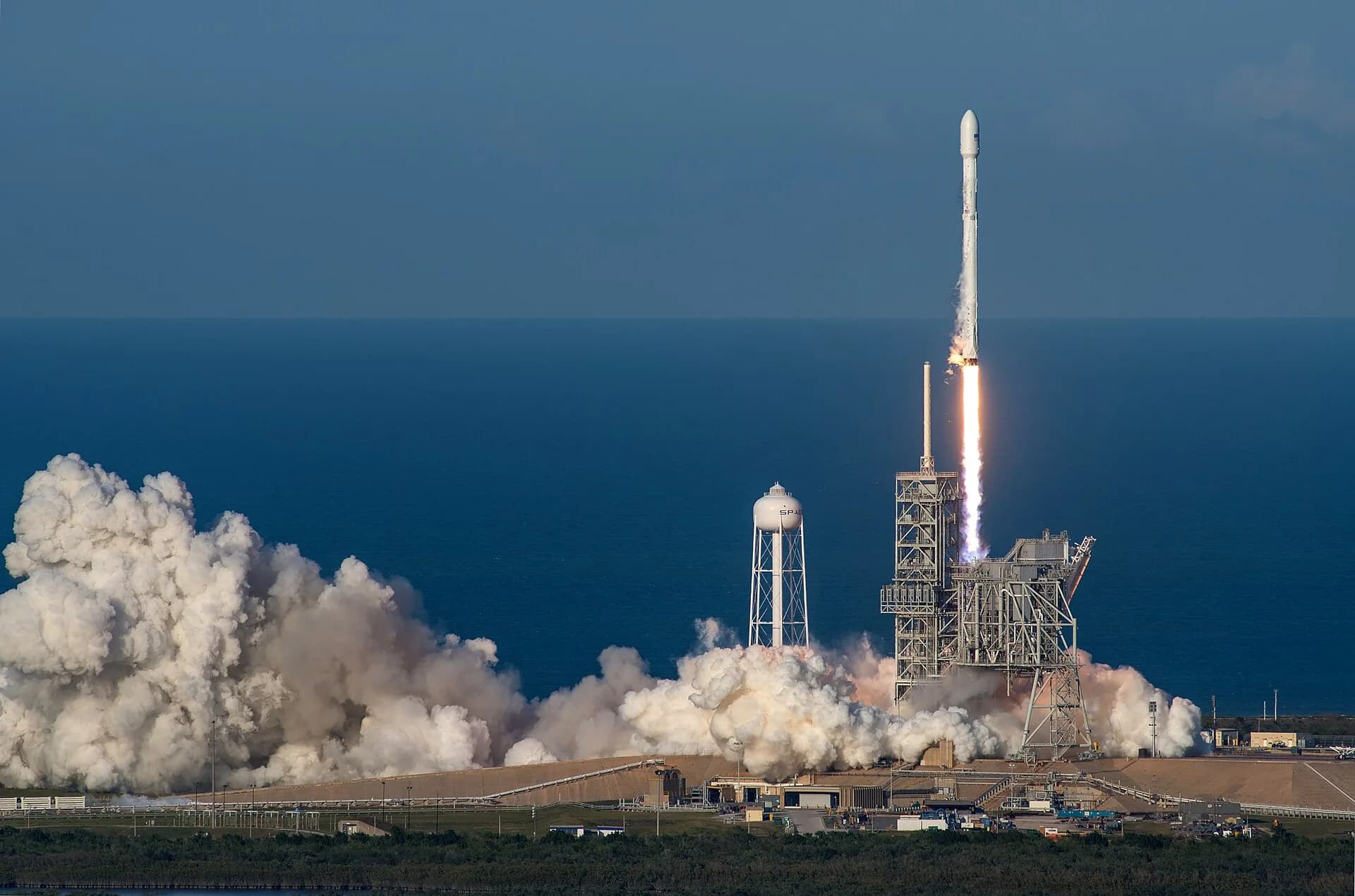
BepiColombo launched on 20 October 2018 on an Ariane 5 rocket from Kourou, French Guiana. It travelled more than 10 billion kilometres to Mercury, according to the Associated Press. The mission is a joint project of the European Space Agency and the Japan Aerospace Exploration Agency.
An eight-year route to Mercury
BepiColombo could not fly directly to Mercury. The Sun's gravity would have pulled it in too fast, so planners used flybys to slow it down. The spacecraft flew past Earth once, past Venus twice and past Mercury six times, adjusting its speed and direction over eight years.
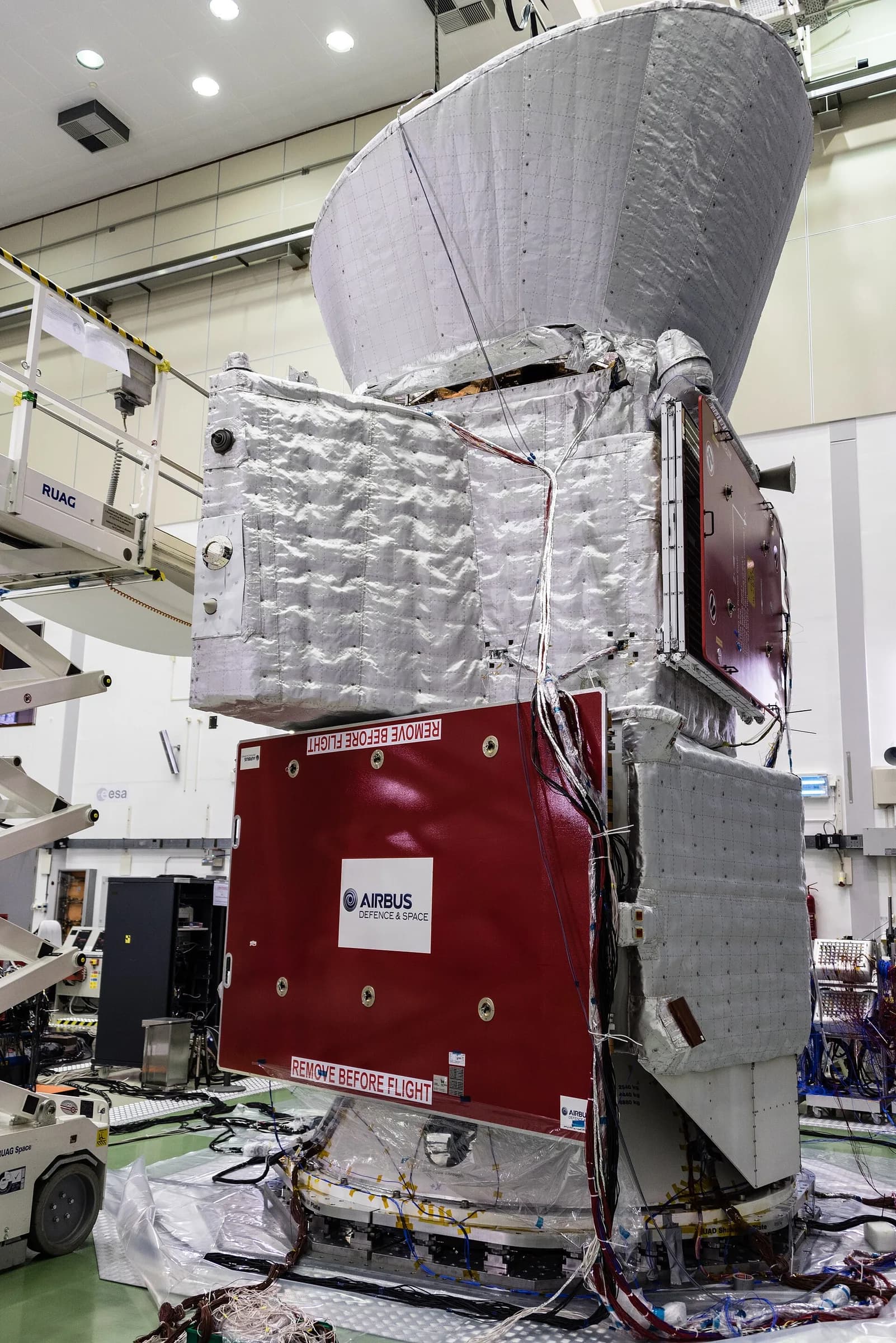
The spacecraft travelled as a combined stack for most of the journey. It consisted of the Mercury Transfer Module, the Mercury Planetary Orbiter and the Mercury Magnetospheric Orbiter, known as Mio. The transfer module separated from the two orbiters on 3 September 2026.
The arrival took place in stages. The two orbiters, still joined together, were due to be captured by Mercury's gravity on 21 November. Flight controllers in Germany waited several hours before they could confirm that the spacecraft had achieved orbit, 152 million kilometres from Earth.
Capture and a shorter thruster burn
Four thrusters on the Mercury Planetary Orbiter fired to slow the spacecraft as it approached Mercury's south pole. The burns allowed Mercury's weak gravity to capture the stack. BepiColombo entered an elliptical polar orbit of 590 by 11,640 kilometres, according to the European Space Agency.
The European Space Agency reported the thruster problem in a social media post on 22 November. It said the thruster burn was shorter than planned following a software issue. The agency did not say in that post how the shorter burn had affected the orbit. It said the spacecraft was safe and that teams at the European Space Operations Centre were working to understand what happened.
Reuters reported the agency's statement on 22 November. The report said the European Space Agency confirmed on Saturday that BepiColombo had begun its orbit. The timing matters because the mission had already faced a delay of nearly a year after an electrical issue affected its ion thrusters during the cruise.
Two orbiters, separate paths
BepiColombo carries two scientific orbiters that will separate in December. The Mercury Planetary Orbiter and Mio are due to separate on 9 and 10 December 2026, and each will then follow its own path around Mercury at a different altitude.
Mio will trace ellipses at altitudes between 500 kilometres and 11,000 kilometres, according to Nature. It will sample Mercury's magnetic field and study how the field interacts with the solar wind. The Mercury Planetary Orbiter will descend gradually until March 2027, when it will reach an orbit between 400 kilometres and 1,500 kilometres.
The two orbiters carry different instruments and have different scientific objectives. Together, they will study Mercury's surface, its interior and its magnetic field at the same time. Lead project scientist Geraint Jones said the mission would provide measurements taken by two spacecraft at the planet at the same time. The mission cost 2 billion dollars, or 1.7 billion euros, according to the Associated Press.
What the mission will study
Mercury is the least explored of the four rocky planets in the inner Solar System. BepiColombo is only the third spacecraft to visit Mercury. NASA's Mariner 10 flew past the planet three times in the 1970s. NASA's MESSENGER entered orbit in 2011 and crashed into the planet in 2015 after running out of fuel.
The mission will study Mercury's magnetic field, the ice in its polar craters and the depressions on its surface known as hollows. Scientists also want to understand why Mercury has a magnetic field despite its small size, Reuters reported. Mercury's surface resembles the Moon, with impact craters, smooth plains and cliffs up to 1.6 kilometres tall.
Temperatures on Mercury can exceed 427 degrees Celsius, which puts strain on the spacecraft and its instruments. The mission aims to keep operating for at least one Earth year, equal to four Mercury years. Routine science operations are set to begin in April 2027, after the orbiters reach their final orbits.