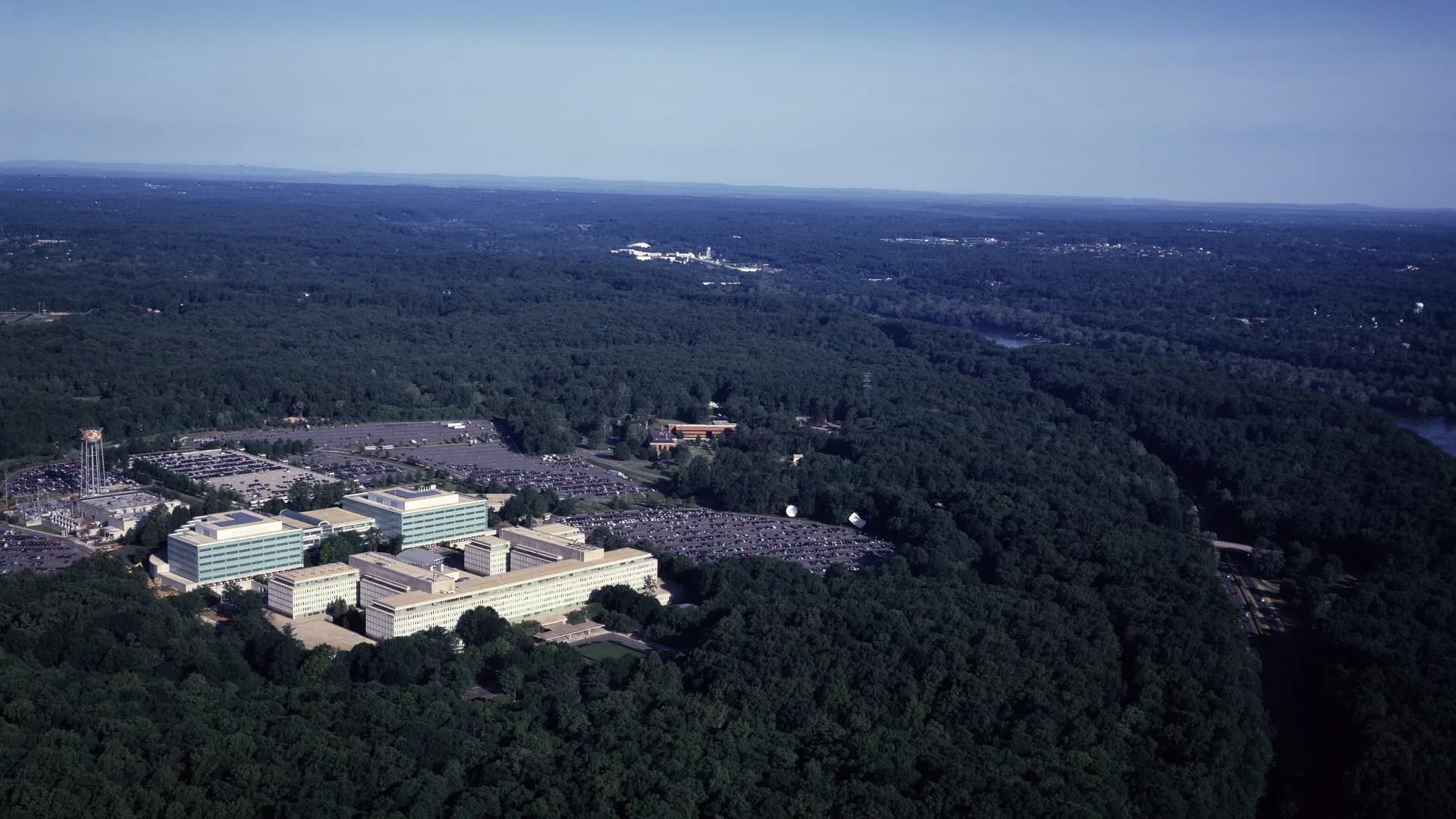
An unclassified system used by the Central Intelligence Agency was breached in a cyberattack, a person familiar with the incident told The Associated Press on 24 November. No classified information was involved, the person said, and the issue has been resolved. The breach was first reported by The New York Times earlier that day.
The system handles open-source intelligence, known as OSINT: the collection and analysis of publicly available data drawn from the internet, commercial satellites and private data brokers. It is shared with the Office of the Director of National Intelligence (ODNI), which coordinates the work of America's intelligence agencies. Though the material itself is public or semi-public, analysts use it to build a picture of foreign governments, military activity and other developments, and it can be revealing on its own or combined with intelligence gathered through classified programmes.
It is not clear what specific information was compromised, or who was responsible. The CIA declined to comment. ODNI said there had been "no disruptions to critical capabilities or classified systems."
Why an Unclassified Breach Still Matters
Calling the system unclassified does not make the breach harmless. An intruder who can see what analysts are searching for gets a clear view of what American intelligence is watching — and what it may be missing.
"If you can see what analysts are searching for and what topics they're tracking, you get a solid look at U.S. intelligence priorities and blind spots without ever touching a classified file," said Ben Bernstein, a manager at the cybersecurity firm Huntress. Aleksandr Yampolskiy, co-founder and chief executive of SecurityScorecard, said an adversary could learn from such a breach where American intelligence agencies focus their attention — and where the gaps in their knowledge may be.
Nextgov reported that an AI tool called ARTEX, developed by a Chinese cybersecurity engineer known online as "Autumn-27", is believed to have been used in the breach. That claim has not been confirmed by the CIA or ODNI. The New York Times also reported that the National Geospatial-Intelligence Agency was affected at the same time; its spokespeople did not immediately respond to requests for comment.
A Week of Failures Across US Systems
The breach surfaced after a run of disruptive failures that has unsettled Americans and put the resilience of government systems under scrutiny. A classified communications network used by the National Security Agency was offline for a time last week. The FBI is investigating an apparent hack of its national law enforcement database, the National Crime Information Center. And a nationwide ground stop snarled air travel after controllers struggled to communicate with pilots. Apple, JPMorgan Chase and Microsoft also had systems go down this month.
The Trump administration says the outages are not part of a coordinated cyberattack. Director of National Intelligence Jay Clayton appeared on Sunday-morning news shows to calm the public, saying the problems largely stemmed from the rush to patch and upgrade systems to stay ahead of hackers who now use sophisticated artificial intelligence tools to attack at an unprecedented scale. The NSA resumed normal operations on Friday after a three-day disruption to its classified communications network, which Clayton attributed to software patching.
The CIA breach is a separate incident from the FBI's NCIC investigation, and there is no indication in the reporting so far that the two are connected. What links them is the question they raise together: how well the systems behind American intelligence and law enforcement hold up when they come under strain, whether from attackers or from the maintenance meant to keep attackers out.
What Remains Unknown
For now, the central facts are narrow. An unclassified system was breached. Classified systems were not touched. The problem has been fixed. Everything else — what was taken, who did it, and whether anything like it will surface next — is still unknown.