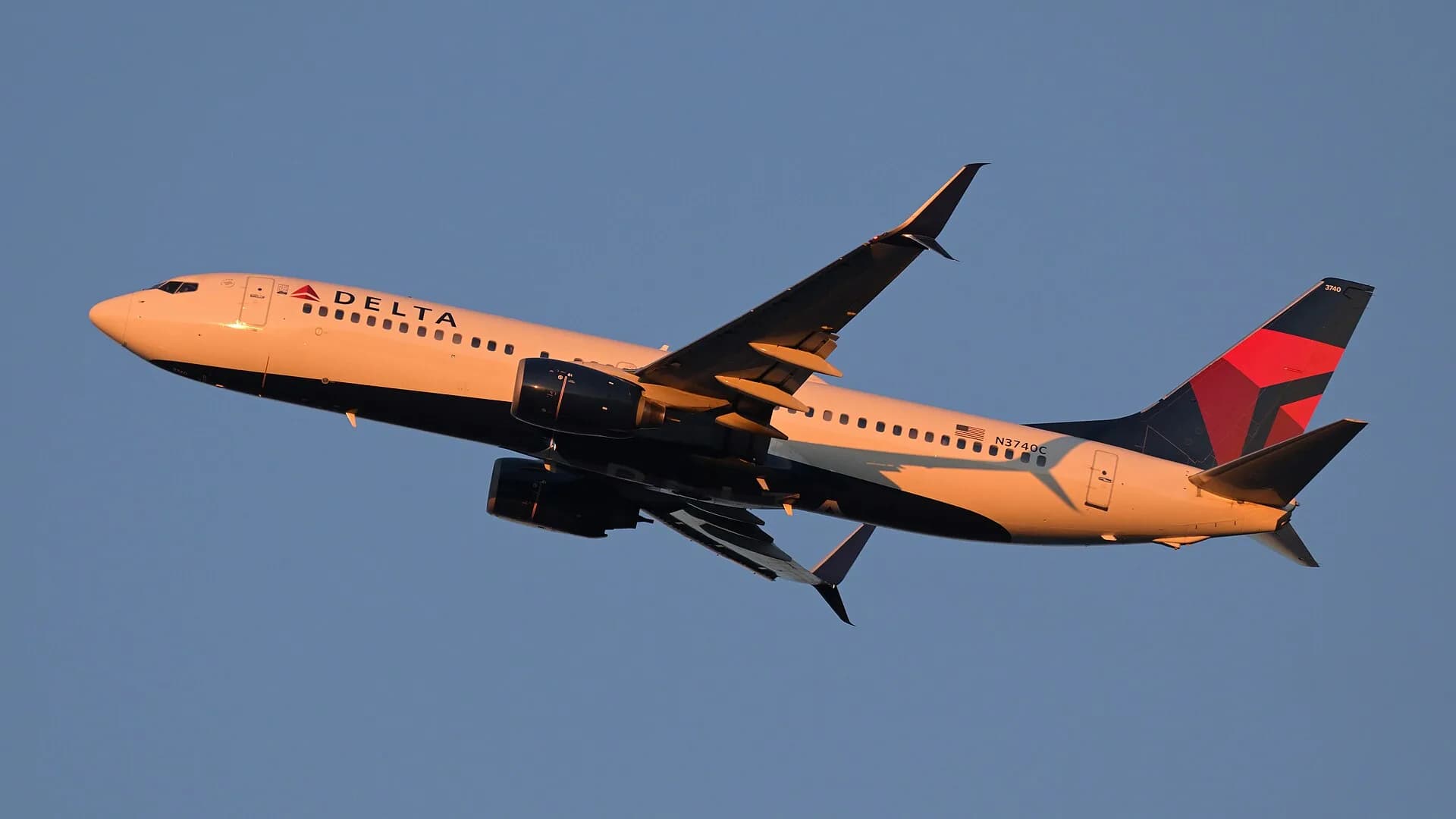
A failure in Delta Air Lines' automated weight-and-balance system delayed more than 1,600 flights across the United States on Sunday, 22 November, four days before Thanksgiving, as the airline switched to manual calculations to keep aircraft moving. The Federal Aviation Administration briefly stopped flights bound for Atlanta, Delta's main hub, for about an hour before lifting the restriction. Delta said the system was restored on Sunday afternoon and that the outage was not the result of a computer hack.
Weight-and-balance calculations set out how much an aircraft can carry and how its load is distributed before take-off. When the automated system failed, Delta staff calculated the figures by hand, a slower process that rippled through the airline's schedule. The airline said 49 percent of its flights were delayed by more than 15 minutes.
What Went Wrong
Delta has not disclosed what caused the system to fail. The airline said only that the outage was not the result of a computer hack, and that its teams restored the system on Sunday afternoon. The failure struck at the start of one of the busiest travel weeks of the year, when the airline's network was already under strain from holiday demand.
The manual workaround kept aircraft flying, but at a cost. Each flight needed its load figures worked out by hand before it could depart, and the extra time added up across hundreds of departures. Delta did not say how many flights were cancelled, and no cancellation figure had been published by Monday.
Atlanta at the Centre
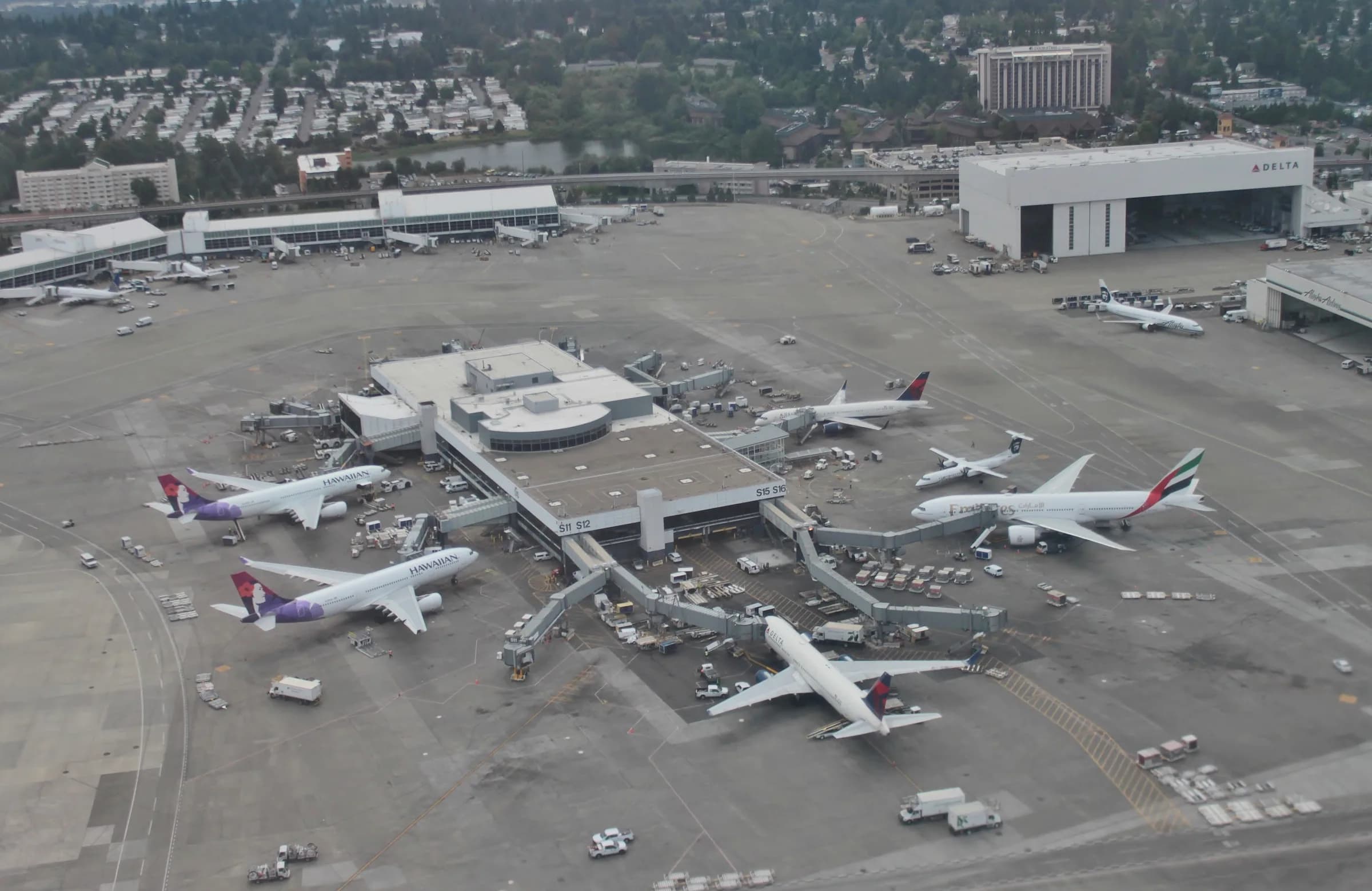
The disruption was felt most sharply in Atlanta, where Delta operates its largest hub. The Federal Aviation Administration briefly issued a ground stop for flights bound for the city, lasting about an hour, while Delta worked through the backlog. The FAA said the disruption was not related to its own air traffic systems.
Atlanta's Hartsfield-Jackson airport is the busiest in the world by passenger numbers, and a halt on arrivals there quickly affects flights across the country. The ground stop was lifted after about an hour, and Delta continued to work through delayed departures into the evening.
A Separate Failure From 13 November
The failure was separate from the nationwide ground stop on 13 November, which disrupted more than 18,000 flights across the United States. That earlier disruption, which Alinea Journal reported on 22 November, stemmed from the FAA's own systems and halted traffic nationwide. The 22 November failure was different in every respect that matters: it struck one airline's internal system, the FAA's role was limited to a brief, localised ground stop in Atlanta, and the cause lay with Delta's own software rather than the national air traffic network.
It was also the second such failure in two weeks. A week earlier, United Airlines suffered a similar outage in its weight-calculation system. The two episodes point to a shared weakness: the automated tools airlines use to prepare aircraft for departure have become a single point of failure, and the manual fallback is slow.
Thanksgiving Week Pressure
The timing added to the pressure. Thanksgiving falls on Thursday, 26 November, and the days around the holiday are among the busiest travel periods of the year in the United States. Delays on Sunday came as millions of passengers began their journeys, and as airports prepared for the peak days ahead.
The disruption also came at the end of a week in which US stocks fell sharply into correction territory, a reminder that the holiday week was already testing American consumers and businesses.
As of Monday, 23 November, Delta had not said what caused the system to fail or what it would change to prevent a repeat. The airline said the system was restored on Sunday afternoon. With the busiest travel days of the year still ahead, the question for passengers is whether the system holds, and what happens if it fails again.