President Donald Trump ordered the US Army on Monday, 23 November, to hold off on its plan to blow up a deteriorating stockpile of toxic lead explosives at the Iowa Army Ammunition Plant, saying the courts and Iowa's governor-elect should decide whether the detonation goes ahead. The decision leaves the fate of about 5 tons of degraded lead azide conditional on two approvals that have not yet been given.
Trump announced the order in a lengthy post on Truth Social on Monday. He said he had ordered the military not to detonate the material "until such time as the Eighth Circuit agrees that we can go forward", and that the decision was "fully subject to the incoming Governor Elect, Rob Sand, agreeing to the operation". If the court or Sand does not agree, Trump wrote, the Army will "have no choice but to not proceed".
The Army had already delayed the detonation to Wednesday, 25 November, after scheduling it first for Friday and then for Monday. The Sunday announcement cited better weather and time to put mitigation measures in place. Trump's order now makes even Wednesday conditional.
A Decision Handed to the Court and the Governor
The US Court of Appeals for the Eighth Circuit issued an administrative stay on Thursday of the Environmental Protection Agency's emergency permit for the detonation, while it considers a challenge to that permit.
On Saturday, the government told the court the Army intended to proceed anyway under an emergency exclusion for munitions and explosives, and to act by 24 November. Trump's order on Monday reversed that course, putting the decision back in the hands of the court and of Sand, a Democrat who won the governorship this month and takes office in January.
Sand has not yet said publicly whether he will approve the detonation, and the Eighth Circuit has not yet ruled on the emergency motion for a stay. Until both questions are answered, the detonation cannot proceed under the terms Trump set out.
A Stockpile Too Dangerous to Move
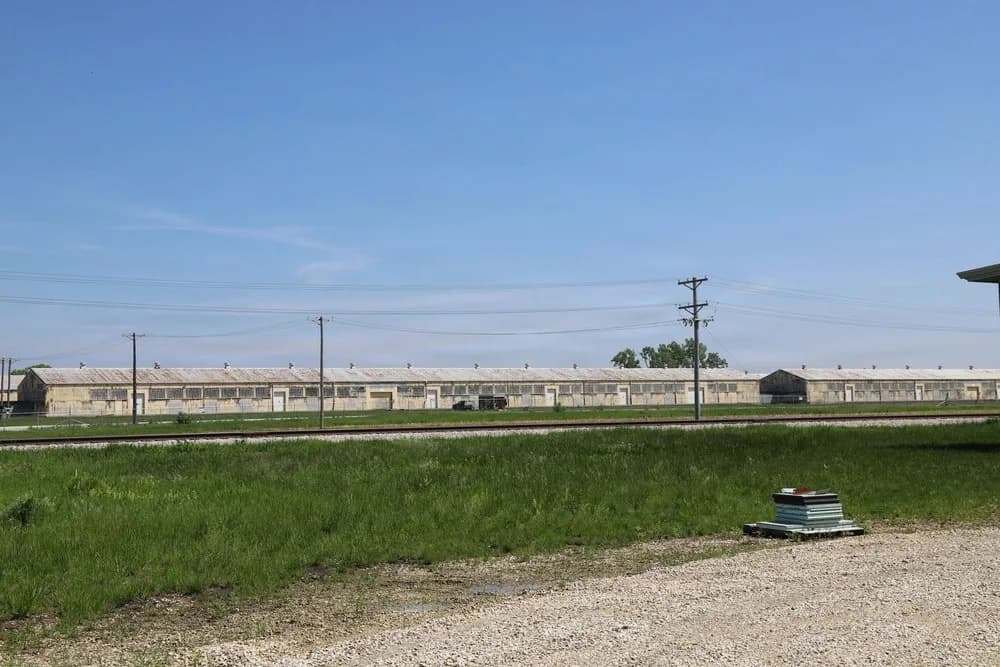
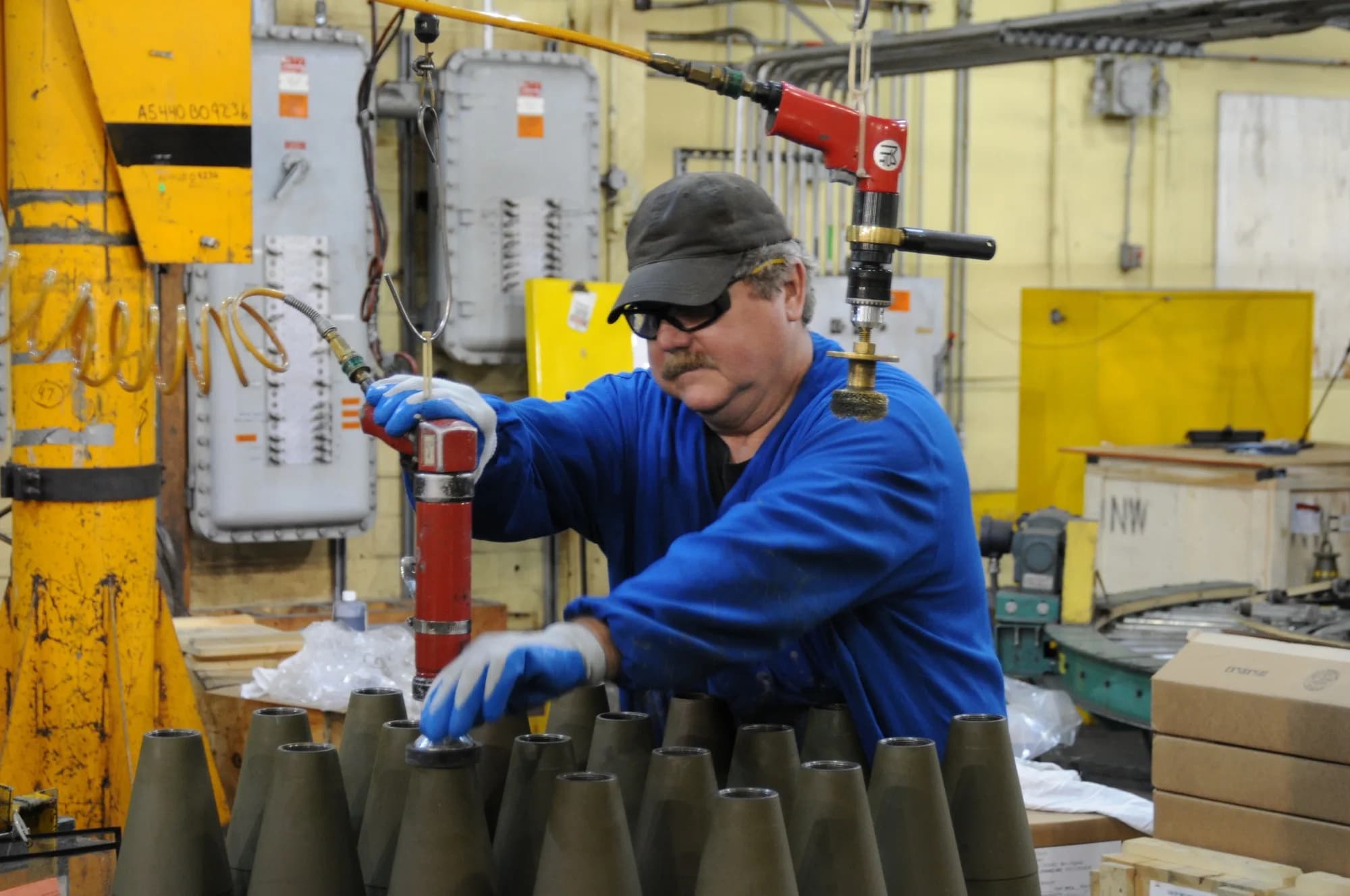
The material at the centre of the dispute is lead azide, a highly sensitive primary explosive used in munitions detonators. The Army found the stockpile in March 2026, during a safety review at the Iowa Army Ammunition Plant near Middletown. It had degraded and crystallised over time, and its legal status changed from a viable production component to unserviceable hazardous waste.
In its crystallised state, lead azide becomes extremely sensitive to shock and friction, according to the Army's environmental assessment. That sensitivity endangers plant personnel and prevents safe transport to standard off-site demilitarisation facilities. The Army concluded that destroying it where it sits, by controlled detonation, was the only practical option.
Trump said military experts believe the material could explode on its own, perhaps in the near future, and that a controlled detonation would be far safer than allowing the situation to continue. The Army has made the same argument: a controlled detonation protects the public from the greater threat of an uncontrolled explosion.
What the Blast Would Have Done
An Army advisory issued last week said modelling predicted lead particles in the air could be elevated but would remain well below the level at which the Environmental Protection Agency would require protective action. The blast would still produce an air plume with lead-containing particles that would disperse and settle on the ground.
Residents near Middletown were told to vacate. The Army said they would hear a loud noise, feel vibrations from two consecutive, rapid detonations, and see a dust plume expected to linger for no more than an hour, depending on wind speed. The detonation was the culmination of the plan Alinea Journal reported on 23 November, when the Army invoked emergency powers to carry it out. Read Alinea Journal's earlier report on the Army's plan
What Happens Next
The immediate question is whether the Eighth Circuit lifts its stay and whether Sand agrees to the operation. If either refuses, Trump said the Army will not proceed, leaving the governor-elect responsible for the stockpile. If both agree, the Army could still carry out the detonation on the Wednesday timetable it had already set.
Either way, the material remains where it is: about 5 tons of crystallised lead azide in a plant in rural Iowa, too unstable to move and too dangerous to leave indefinitely. The court is expected to rule on the stay, and Sand's position will decide the rest. Until then, the detonation is paused.