Vietnam has chosen the team that will design its largest infrastructure project. A consortium of eight French, South Korean and Vietnamese contractors, led by France's Systra, won the contract for surveys, feasibility studies and design for the North–South high-speed railway. The contract is worth 10.24 trillion dong, and the work is scheduled to run for 30 months.
South Korea's land ministry announced the result on 22 November. The consortium includes Korea National Railway, Sambo Engineering and Yooshin Engineering alongside Systra and Vietnamese partners. The selection is a step toward construction of a line that Vietnam has planned for years.
The Line in Numbers
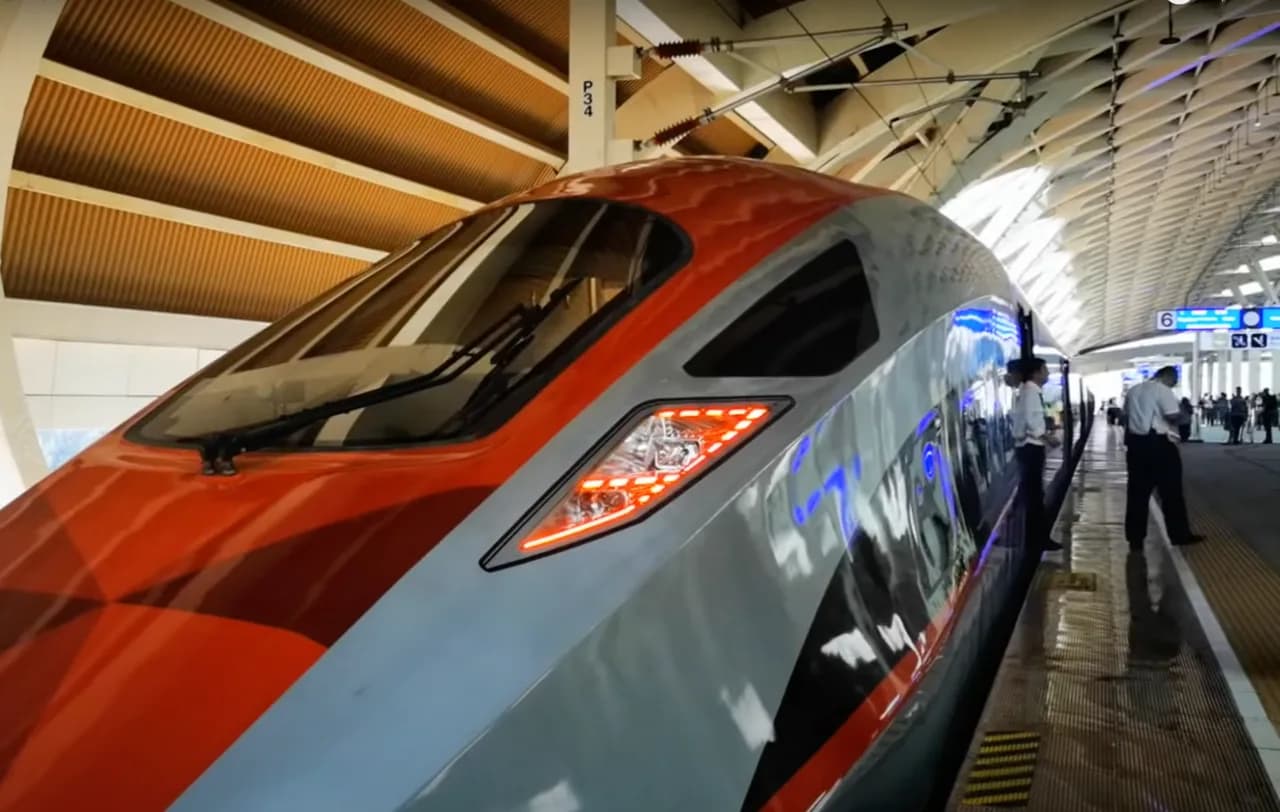
The railway is planned as a 1,541-kilometre double-track line from Hanoi to Ho Chi Minh City, running at speeds of up to 350 kilometres per hour. The total project is estimated to cost roughly $65 billion to $67 billion, making it the country's flagship infrastructure project.
Construction was delayed by a year, to the end of 2027. The design contract now under way will determine the line's alignment, stations and engineering requirements before building can begin.
The contract covers surveys, feasibility studies and design — the groundwork that must be finished before construction. That work includes mapping the route, testing ground conditions and preparing the engineering plans for a line that runs the length of the country. The 30-month timetable gives the consortium two and a half years to complete that groundwork.
A French-Led Consortium
Systra, the French engineering group leading the consortium, is the firm named at its head. Korea National Railway, Sambo Engineering and Yooshin Engineering are the South Korean members of the group. Vietnamese contractors make up the rest of the eight-member consortium.
The eight-member group brings together French, South Korean and Vietnamese firms for a project that spans the length of the country. The result was announced by South Korea's land ministry, which named the consortium members and set the work's duration at 30 months.
A Figure Worth Reading Carefully
One figure in the reporting needs care. The design contract is 10.24 trillion dong, a figure every outlet reporting the deal agrees on. Its value in dollars, however, differs between reports. Bloomberg put it at about $397 million. Chosun Biz, citing South Korea's land ministry, reported about $370 million, or 560 billion won.
The difference comes from the exchange rate used, not from a dispute about the contract itself. This article uses the dong figure, which is the agreed number, and notes the dollar figures as reported. Readers should treat the dollar values as conversions, not as separate facts about the deal.
What Comes Next
The 30 months of survey and design work will shape the railway's route, stations and cost before construction starts at the end of 2027. Until then, the project remains a plan on paper, though the design contract moves it a step closer to being built.
The design contract is a small fraction of the railway's total estimated cost of $65 billion to $67 billion. The far larger spending comes with construction, which is now scheduled to begin at the end of 2027. At its planned top speed of 350 kilometres per hour, the 1,541-kilometre journey would take less than five hours.
The design contract is the step that turns a national plan into engineering drawings. The next test will be whether the surveys and studies keep the project on its delayed schedule.