Petrobras is preparing a five-year investment plan worth more than $120 billion, three people familiar with the matter told Reuters on Monday, 23 November. Most of the money would go to exploration and production, including more funding for the Equatorial Margin offshore region, alongside refining investments aimed at making Brazil self-sufficient in diesel. The company was expected to unveil the plan on Monday.
The figure would make the 2027–2031 plan more than 10 percent larger than the company's current five-year plan, which covers 2026–2030 and totals $109 billion. The increase is concentrated where Petrobras already earns its money: finding oil offshore and bringing it into production.
A Bigger Bet on Exploration
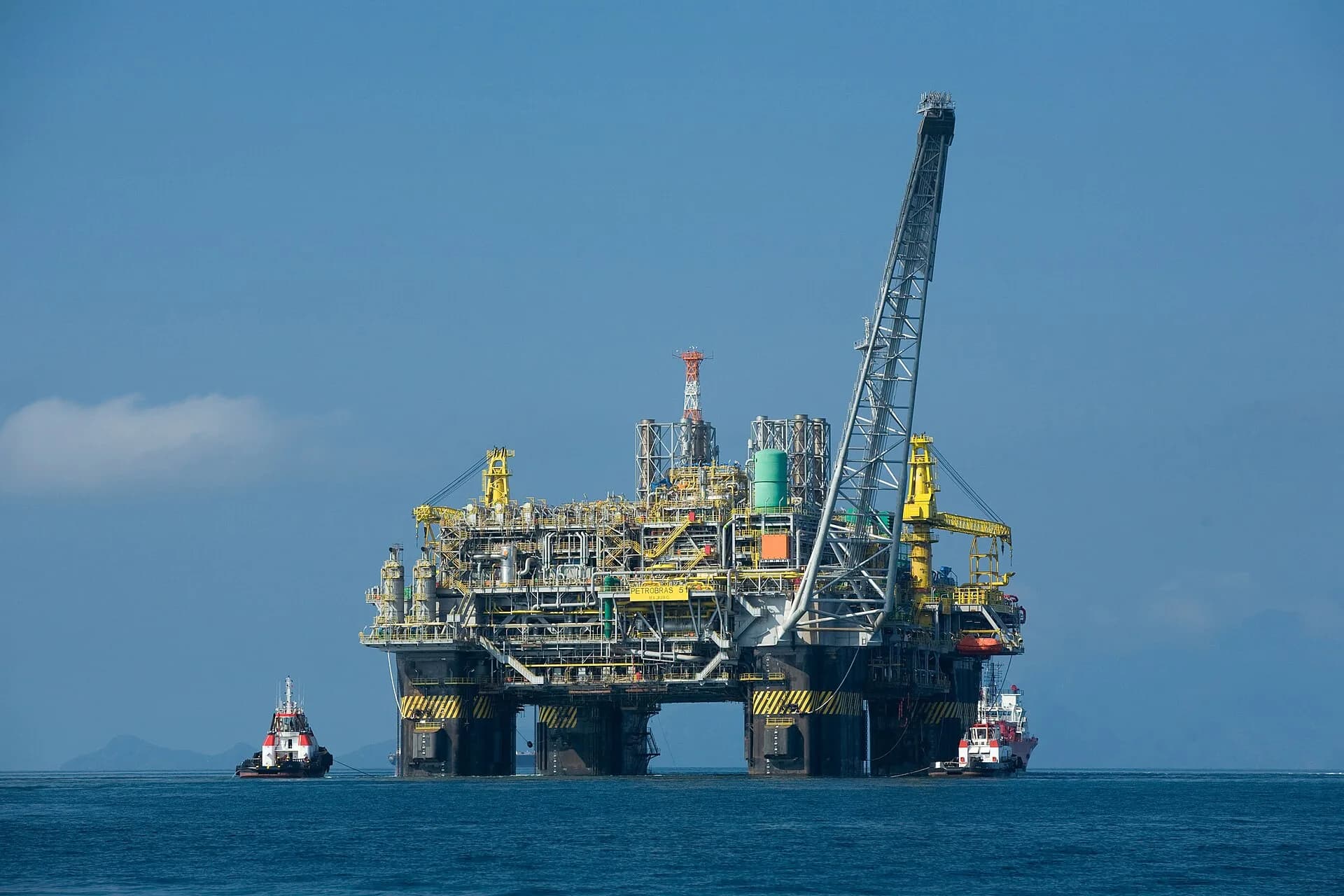
Exploration and production is the core of Petrobras's business, and the new plan puts most of its weight there. The company searches for oil in deep water off Brazil's coast, then develops the fields it finds into producing assets. A larger exploration budget means more wells drilled in search of new reserves, and more money spent turning discoveries into output.
The scale of the plan reflects the company's confidence in its offshore resources. Brazil's deep-water fields have made the country one of the world's ten largest oil producers, and Petrobras is the primary operator in those waters. The new plan extends that position for another five years rather than changing course.
The Equatorial Margin
One area set for more funding is the Equatorial Margin, an offshore region where Petrobras plans to search for new reserves. The region has attracted attention within the company as a possible new frontier, alongside the established fields further south. More money for the Equatorial Margin means more seismic surveys and exploratory wells in waters that are still lightly drilled.
The decision also carries political weight. Exploration in the region has been contested. Brazil's environmental agency, Ibama, rejected a drilling licence for the area in May 2023, then granted approval for exploratory drilling near the mouth of the Amazon in October 2025, a decision environmental groups condemned and said they would challenge in court. The plan's emphasis on the Equatorial Margin shows that, for now, the company is pressing ahead.
Refining and Diesel
The plan is not only about producing crude oil. Petrobras also intends to invest in refining, with the stated aim of diesel self-sufficiency — reducing Brazil's reliance on imported diesel. Diesel fuels the trucks that carry goods across a country of continental size, and imports leave the price Brazilians pay exposed to global markets and the exchange rate.
Building more refining capacity at home would narrow that exposure. It would also keep more of the value of each barrel inside Brazil, rather than sending crude abroad and buying back the refined fuel. The refining component is smaller than the exploration budget, but it addresses a weakness that has shaped Brazilian energy debates for years.
What the Plan Signals
The plan lands at a moment of tension in global oil markets, with supply routes under strain and producers weighing how much to invest in new output. The emphasis on oil contrasts with the shift toward wind power under way in Germany, where renewable generation has surged this year.
For Brazil, the message is that oil remains central to the country's economic plans. The full plan, due to be unveiled on Monday, will set out how the money is divided between exploration, production and refining. Until then, the headline figure is the clearest signal of the company's direction: most of the money goes to finding and producing oil.