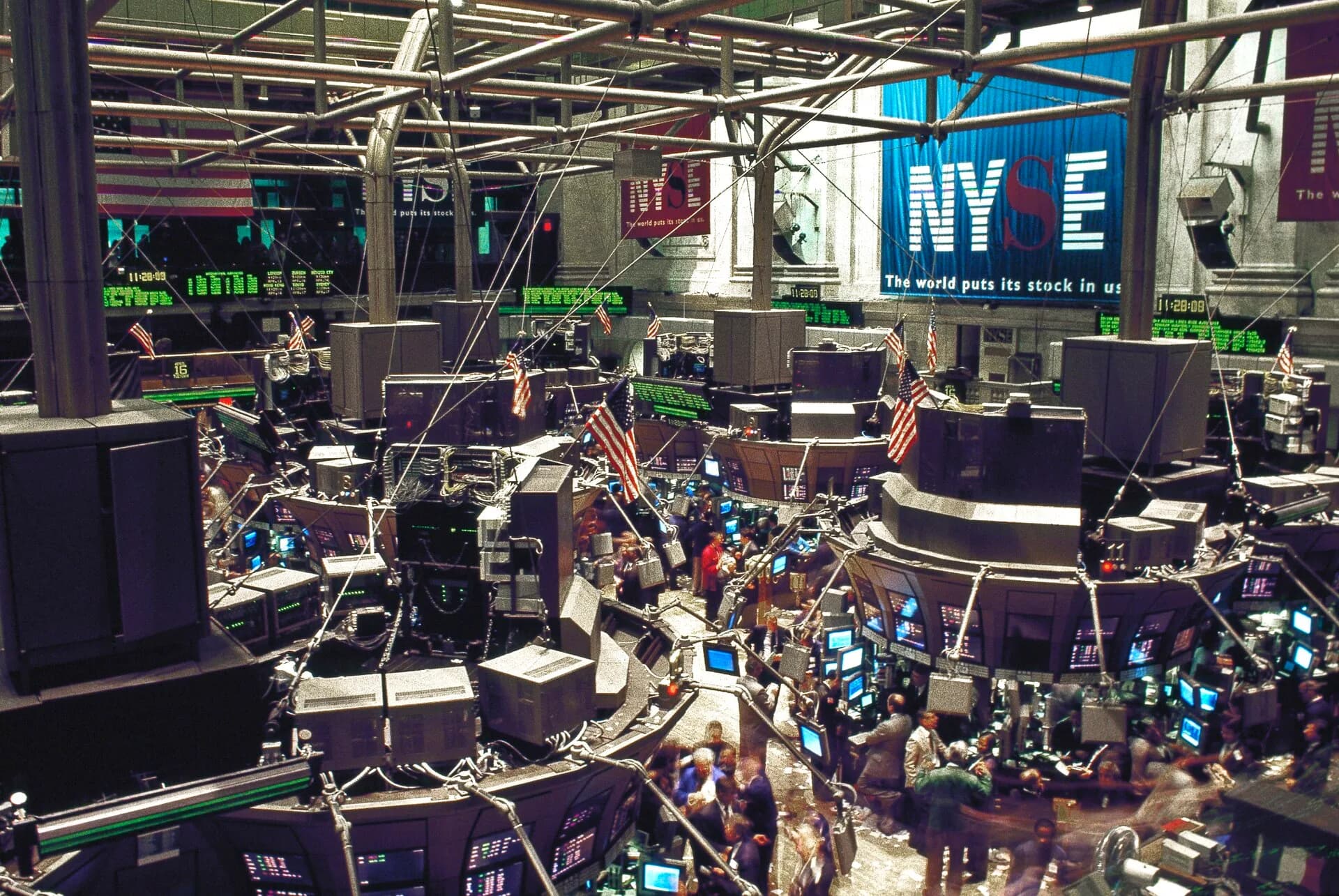
The S&P 500 fell 3.7 percent on Friday, 20 November 2026, and entered a correction after seven straight days of losses in New York. The index dropped 265.44 points to 6,910.39, more than 10 percent below its record high on 6 October. The fall capped the index's worst week in more than 18 months and followed a sharp sell-off in shares linked to artificial intelligence.
A correction is the term professional investors use for a fall of more than 10 percent from a recent peak. The Associated Press reported that the last S&P 500 correction was in March 2025. The seven-day losing streak was the longest since the onset of the COVID-19 pandemic in 2020. The weekly loss of 8.6 percent was the worst since April 2025.
A seventh day of losses
The Dow Jones Industrial Average fell 949.73 points, or 1.9 percent, to 48,147.33. The Nasdaq Composite fell 1,261.47 points, or 5.28 percent, to 22,617.73. The Nasdaq moved into negative territory for the year, and its weekly loss was close to its worst week since March 2020.
The sell-off spread beyond the United States. Japan's Nikkei and South Korea's Kospi each fell more than 5 percent overnight, and the pan-European STOXX 600 index fell 2 percent. Bond prices rose as investors sought safer assets, and the yield on the 10-year Treasury fell to 4.93 percent from 5.04 percent late on Thursday.
Technology led the decline
Chip stocks carried much of the selling. Nvidia fell 13.8 percent, Advanced Micro Devices fell 13.3 percent, Micron Technology fell 13.9 percent and Broadcom fell 12.1 percent, the Associated Press reported. The PHLX Semiconductor Index fell 10.7 percent. Corning fell 10.9 percent and Bloom Energy fell 15.3 percent.
Anthropic, the maker of the Claude artificial intelligence tool, fell 9.1 percent to 88.30 dollars on Friday, the Associated Press reported. The shares remained above the company's initial public offering price of 83 dollars.
Investors have questioned whether heavy spending on artificial intelligence infrastructure is justified by current earnings. The Associated Press reported that worries about high valuations and heavy spending had reduced confidence in the trade, and that midterm election results had added to the concern.
Michael Antonelli, a market strategist at Baird, told the Associated Press that investors were pricing in an end to the idea that artificial intelligence companies could spend without limit and keep supporting the stock market. He said he did not think that meant the bull market that began in October 2022 was over.
Bessent warns the Federal Reserve
Two days later, Treasury Secretary Scott Bessent said on CBS's Face the Nation on Sunday, 22 November, that the Federal Reserve could make a policy error if it raised interest rates too far. He said: "Many people believe that they may be making a policy mistake if they over-tighten." Bloomberg Government reported the same quotation.
Bessent pointed to hawkish remarks from Federal Reserve officials in recent weeks and said financial conditions had tightened substantially over the past few months. Bloomberg Government reported that several officials had voiced support for another rate increase in December. Bessent did not name the officials he had in mind, and he did not say what decision he wanted in December.
Bessent gave several explanations for the market fall. In the CBS transcript, he said the sell-off began as Democrats moved ahead in the polls and accelerated after Election Day. He said the Democratic position on the artificial intelligence buildout had unsettled investors who feared it would be slowed down. Those are Bessent's views. The transcript does not present them as an agreed explanation for the market moves.
What the correction changes for investors
A correction does not by itself show that a longer downturn has begun. It does show that the market has repriced a large part of the gains built up around artificial intelligence this year. The S&P 500 had risen for much of 2026 before the October peak, and the November fall removed more than a tenth of its value in six weeks.
The next test is the Federal Reserve's December decision. Investors will watch whether officials raise rates again, hold them steady, or signal a slower path. Bessent's warning adds a public voice from the Treasury to that debate, but the decision rests with the Federal Reserve. Its officials have not responded publicly to Bessent's remarks in the sources reviewed for this article.
For now, the market data point in one direction. Technology shares led the rise in 2026, and technology shares led the fall on 20 November. The correction leaves investors with a narrower question than the one they faced at the October peak: whether earnings from artificial intelligence can support the valuations that the market had assigned to the sector.