Spot gold climbed 2.4 percent to $3,616.51 per ounce by 0530 GMT on Monday, 23 November 2026, regaining ground after falling to a 14-month low last week. Bullion fell about 9 percent last week, its steepest weekly decline since March, as a selloff in United States equities spread through global markets.
Investors are weighing the equity selloff against the outlook for interest rates. US gold futures gained 2.9 percent to $3,616.60 on Monday. Spot silver climbed 3 percent to $42.41 per ounce, platinum gained 1.2 percent to $1,314.85, and palladium rose 1.2 percent to $903.15.
The rebound came as traders reduced bets on how far the Federal Reserve will raise rates. Traders are pricing in a 93.5 percent chance of a rate hike at the Fed's policy meeting in December, down from about a 100 percent probability last week, according to CME's FedWatch tool. Lower odds of higher rates reduce the opportunity cost of holding bullion, which pays no yield, and that tends to support gold.
A steep fall, then a rebound
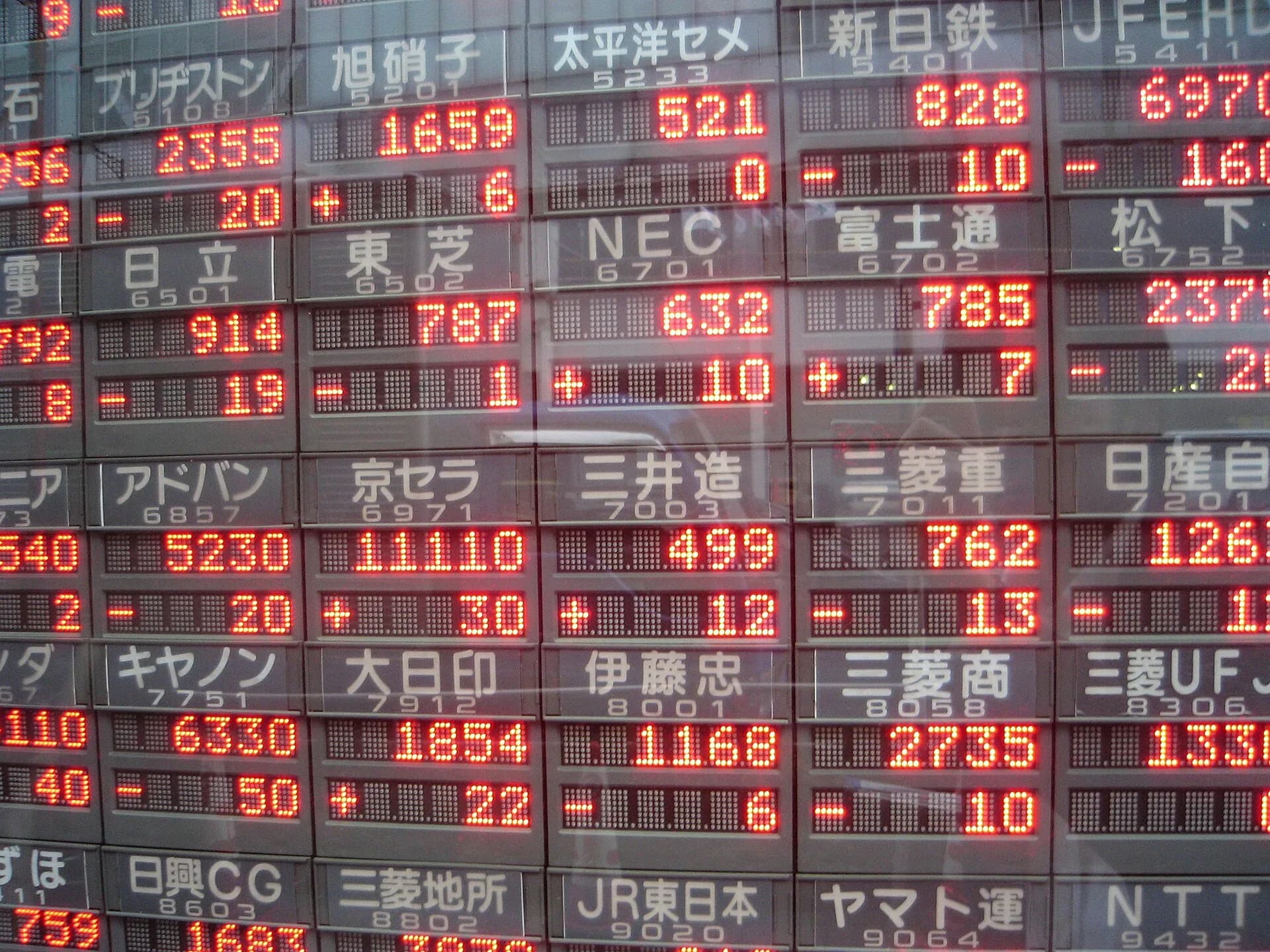
The fall in gold last week ran alongside a sharp decline in technology and chip stocks at the centre of the artificial intelligence boom. US stock futures rose on Monday while authorities in Asia moved to shore up sliding stock markets after the selloff last week.
Kyle Rodda, senior financial market analyst at Capital.com, said the selloff in tech stocks and expectations of weaker economic activity because of the weaker AI boom had led markets to reprice the path for US interest rates, which had provided gold with some fundamental support.
Dilin Wu, research strategist at Pepperstone, urged caution. "Despite a modest rebound in early trading today, we still need to be cautious to call a bottom in gold. We also cannot rule out further forced liquidation if volatility in equity markets persists," Wu said.
The warning reflects how gold has moved with equities rather than against them in the latest selloff. Investors selling shares to meet losses elsewhere have also sold gold, even though gold is often bought as a haven in periods of market stress.
Rate expectations shift
The Federal Reserve's next moves remain the central question for gold traders. Fed Governor Lisa Cook made a case for more rate hikes on Friday, saying the Fed's current policy rate was not high enough to deal with inflation levels she viewed with great concern.
Market participants now await the US Personal Consumption Expenditures data due on Wednesday, a key gauge closely watched by the central bank as it targets a 2 percent inflation rate. The figures will give investors their first fresh reading on inflation since the equity selloff deepened, and they are likely to shape expectations for the December meeting.
If the data show inflation easing, traders may price in fewer rate hikes, which would support gold. If inflation comes in stronger than expected, the case for further hikes strengthens, and gold could come under renewed pressure.
What comes next
Gold's rebound on Monday was modest compared with the scale of last week's fall. Bullion remains well below the levels it held before the selloff, and the market is still waiting for evidence that the worst of the equity decline has passed.
The next two days will bring that evidence in stages. The PCE data on Wednesday will test whether inflation is moving toward the Fed's target, and the Fed's December meeting will show whether policymakers share the market's view that rate hikes are nearing an end.
Until then, gold is caught between two forces: the support that comes from falling rate expectations, and the selling pressure that comes from investors raising cash during a market rout. Monday's rise shows the first force gaining ground, but traders quoted by Reuters said it was too early to call the move a turn.