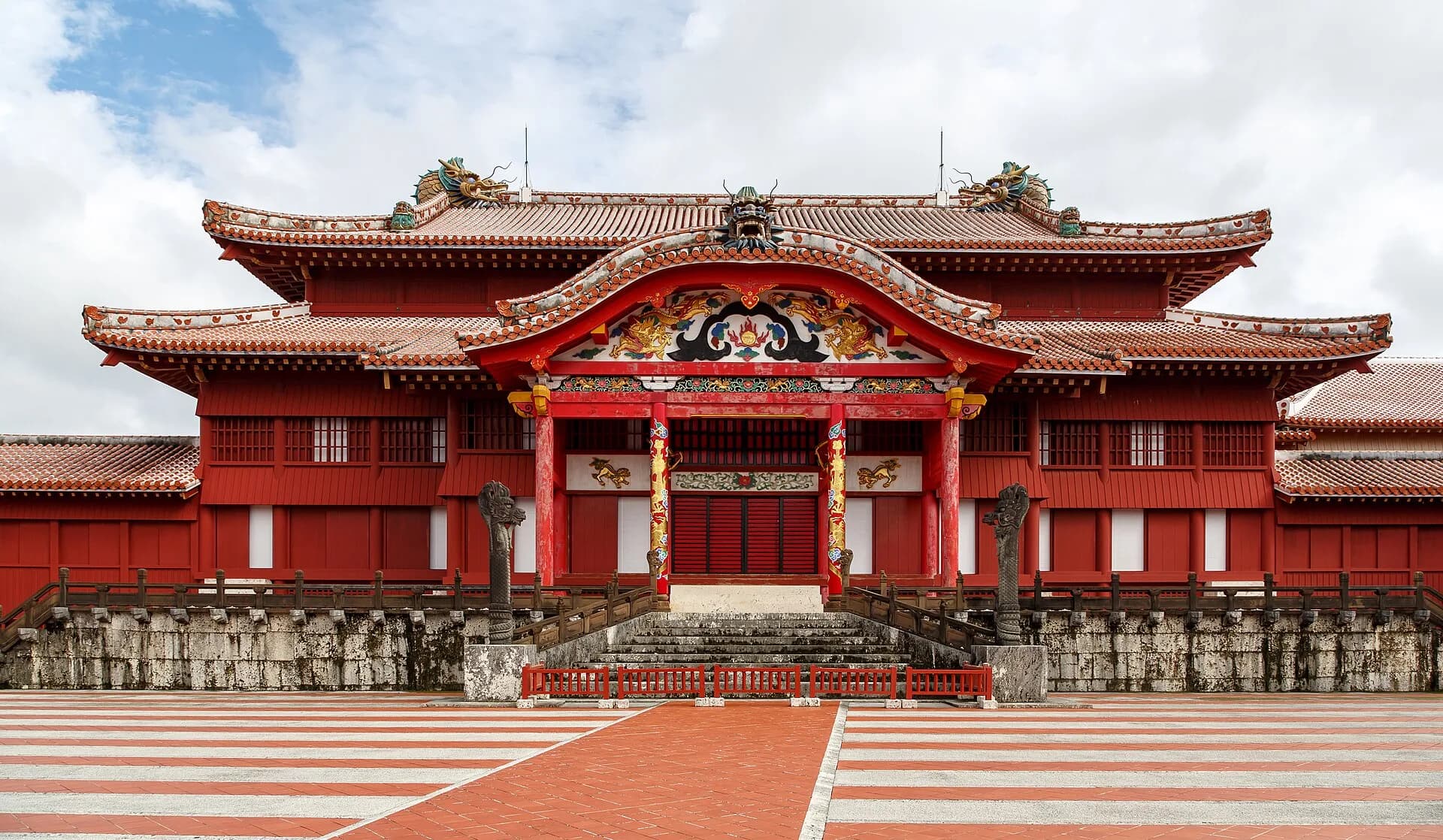
Officials and residents in Okinawa celebrated the restoration of Shuri Castle's main hall on Sunday, 22 November, seven years after fire destroyed the symbol of the island's heritage. The hall, known as Seiden, opened to the public at noon on Monday, 23 November, its deep red exterior and dragon ornaments restored.
"The fire was a tremendous shock to the Okinawan people," Okinawa Governor Genta Koja said at Sunday's ceremony in the courtyard outside the main hall. "Seven years after the major loss, as we mark this milestone of the main hall restoration, I am deeply moved and delighted."
A Symbol of the Ryukyu Kingdom
The castle is a symbol of Okinawa's cultural heritage dating to the Ryukyu Kingdom, which lasted about 450 years from 1429 until 1879, when Japan annexed the island. The main hall was the centre of the kingdom's political and ceremonial life, and its red lacquered walls and dragon pillars became the most recognisable image of Okinawa.
The castle also represents Okinawa's recovery from the Second World War. It burned down in 1945 during the Battle of Okinawa, which killed about 200,000 people, many of them civilians. The castle was largely restored in 1992 for the 20th anniversary of Okinawa's reversion to Japan, marking the end of the island's 27-year occupation by the United States.
The 2019 Fire
The fire on 31 October 2019 destroyed Seiden and two adjacent halls, as well as four nearby structures, while two other structures were heavily damaged. The castle complex in Naha, Okinawa's prefectural capital, was hosting a festival when the blaze began. Firefighters struggled for nearly 12 hours to contain the fire as it spread from building to building in strong winds.
Investigators could not determine the cause of the fire, but considered an electrical fault the likeliest explanation. The loss was felt across Japan, and donations for the reconstruction came from across the country and abroad.
The wooden reconstruction began in November 2022 and cost about 12 billion yen (about $75 million). Artisans rebuilt the hall in front of visitors, with the work visible behind screens as the structure rose again over three years.
Recreating the Deep Red
One of the hardest tasks was recreating the hall's deep red colour. Experts traced the pigment to iron bacteria found in northern Okinawa. After lengthy experiments, artisans recreated the deeper red by blending the bacteria-derived pigment with a commercial product.
Kurayoshi Takara, a historian who also helped with the previous restoration and led the latest effort, said the main hall was reproduced to more closely resemble the original building, based on new findings including the ingredients of the red pigment and other details from historical documents.
Koja thanked historians, artisans and other experts from across Japan who contributed to the restoration, as well as donors at home and abroad. He called for rebuilding the rest of the castle, saying the opening of the main hall is "not the end." The other parts of the castle are being restored in stages, in a process experts say could take more than a decade.
Hopes for Tourism and Growth
Shuri Castle is a major tourist attraction, and the reconstruction raises hopes for more visitors to the island, whose economy has long lagged behind the rest of Japan. Koja, who took office at the end of September, has pledged to double Okinawa's per capita income and tourism revenue within the next decade and make the prefecture a more attractive place for young people.
The main hall stands again. The rest of the castle will be rebuilt in stages, a process that could take more than a decade.