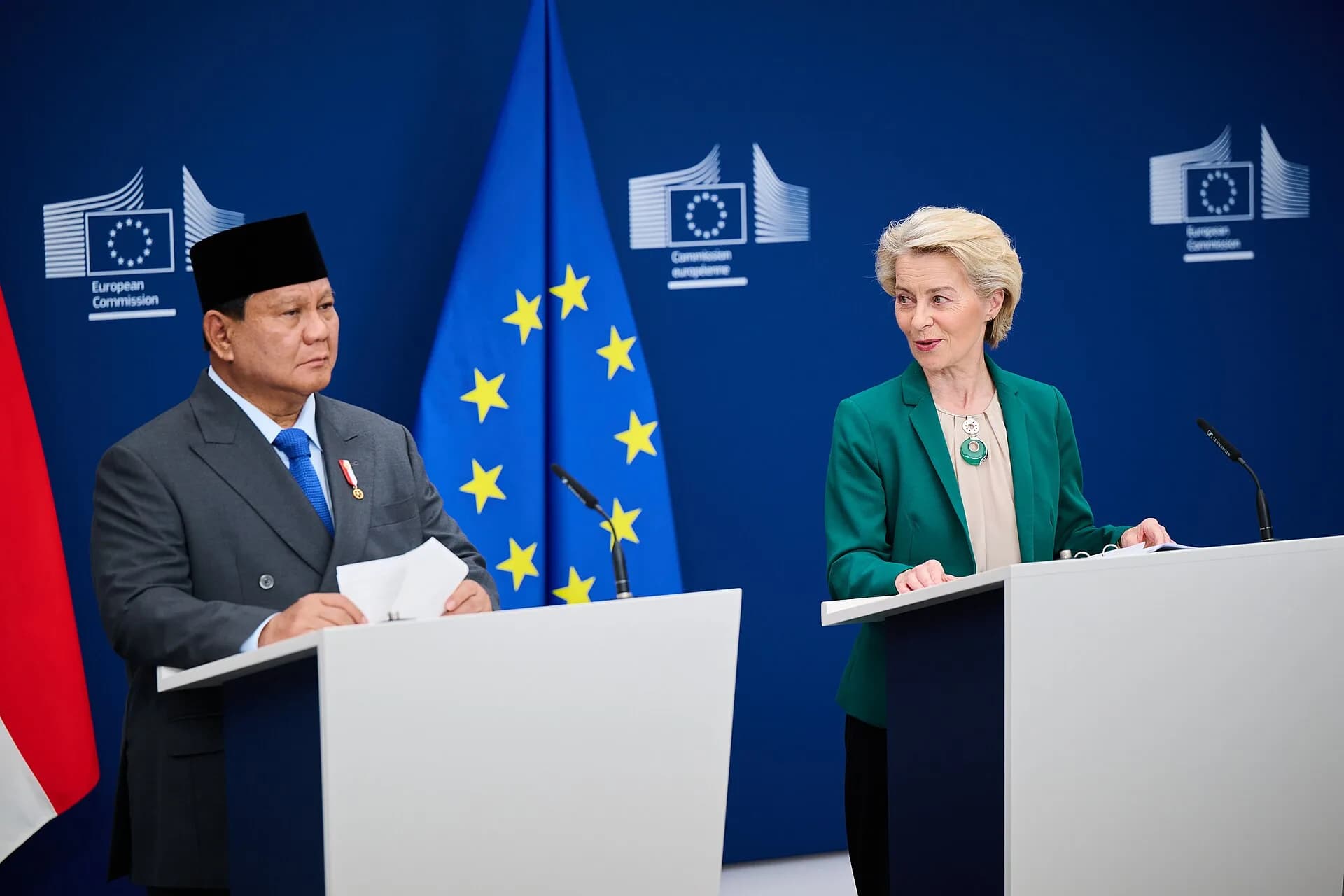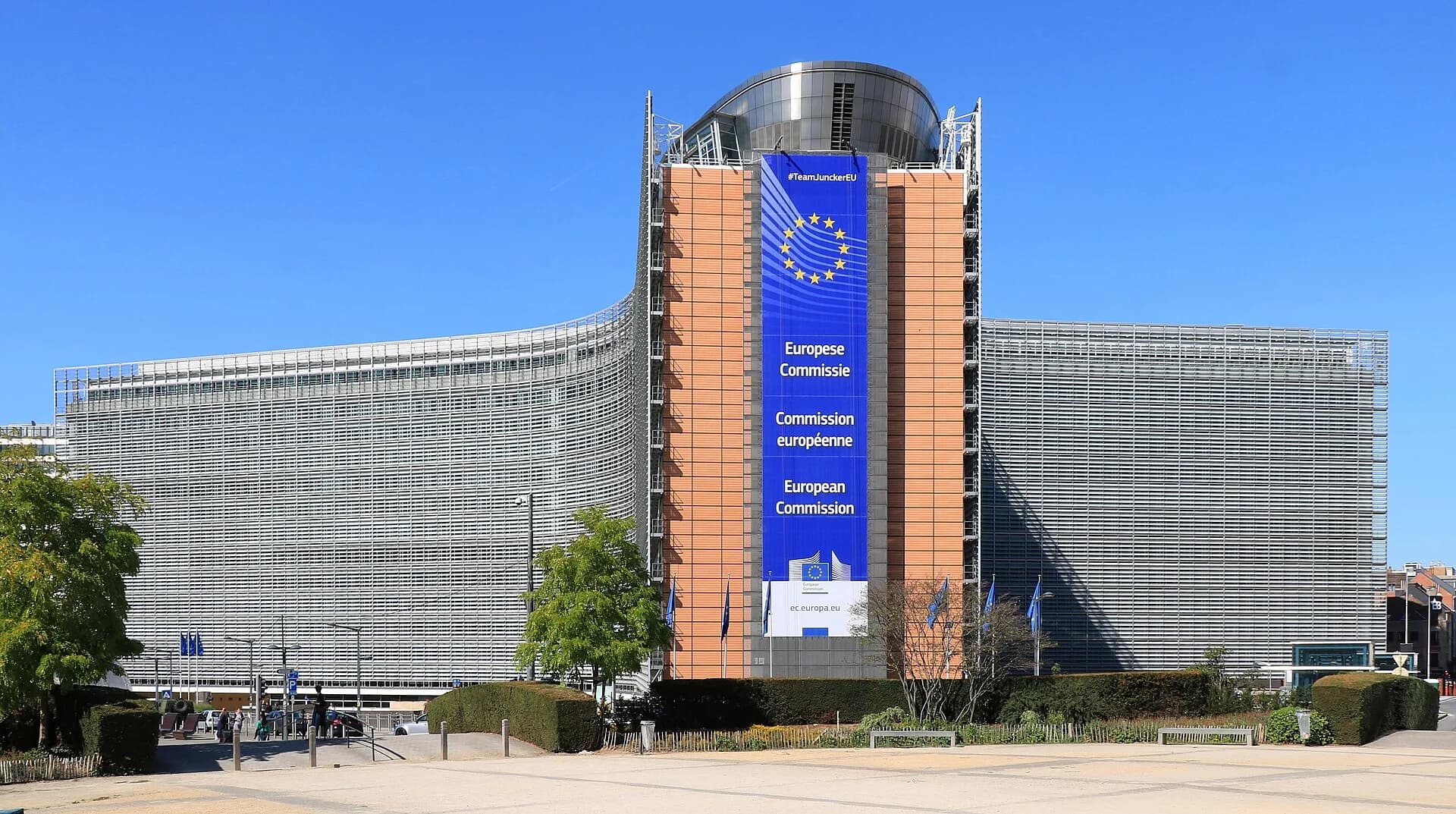
Britain and the European Union reached a package of agreements on Friday 20 November 2026 at an EU-UK summit in Brussels, ten years after the British vote to leave the European Union. British Prime Minister Andy Burnham attended the summit with European Commission President Ursula von der Leyen and European Council President António Costa. The package covers food and agricultural trade, linked carbon markets and a youth mobility scheme. University tuition fees for European Union students in Britain were not settled at the summit.
Burnham described the outcome as a good day for Britain and a good day for Europe, and he called the agreement a win-win. Von der Leyen described the deal as a turning point in relations between Britain and the European Union. Much of the work began under Burnham's predecessor, Keir Starmer.
What the three agreements cover
The food agreement is a sanitary and phytosanitary agreement, known as an SPS agreement. It removes much of the certification and inspection burden on agrifood trade across the Channel. The Chartered Institute of Export and International Trade reported that the SPS agreement will aim to be implemented by 1 March 2028, according to the joint EU-UK statement.
London put the food gain at up to 5.1 billion pounds a year, according to EU Insider, in exchange for tracking European Union food safety rules without a vote on them.
The second agreement links the British and European Union emissions trading systems. It allows firms on both sides to trade carbon allowances and keeps exporters clear of each other's carbon border levies, including for steel and aluminium.
The third agreement is a reciprocal youth mobility scheme, which London calls a youth experience scheme. CNN reported that it will allow 100,000 young people from the European Union and 100,000 young people from Britain to live for up to three years for work, study or travel. The joint statement said the scheme is expected to be available no later than January 2030, according to CNN. Reports differed on the exact age range, so no age limit is stated here.
Growth claims and the cost of alignment
Burnham said the package could add up to 0.5 percent to British gross domestic product. The Chartered Institute reported that the figure had been revised upwards from 0.4 percent after fresh Treasury analysis. The growth figure is a government estimate, not an observed result.
Implementation will require legislation in Britain. Burnham confirmed that a bill covering the agreements will be put before Parliament next week, according to the Chartered Institute.
Tuition fees remain unresolved
The dispute over university tuition fees was the main unresolved issue at the summit. European Union governments wanted their students charged the same home fees as British students. London offered a significant cut to international fees instead, which typically run around three times higher, according to EU Insider. Neither side signed off on a fees agreement in Brussels.
The joint EU-UK statement said the parties would work toward a supplementary agreement to the UK-EU Trade and Cooperation Agreement on tuition fees, with negotiations expected to conclude within six months, according to CNN. The Times reported that member states said the deal would not take effect until Britain made concessions on fees, while EU Insider reported that both sides insist the dispute will not derail the package. Costa declined to answer directly whether the deals were contingent on fees, according to CNN.
Reactions in London and Brussels
Burnham said the agreement draws a line on a decade of drift and division by reconnecting with old friends. Conservative opposition leader Kemi Badenoch accused Burnham of not learning the lessons of the past and argued that Britain's problems have nothing to do with being in or out of the European Union, according to CNN.
Nigel Farage, leader of Reform UK, said Burnham had no mandate to negotiate closer ties with Brussels. Anand Menon of King's College London told CNN that Burnham's approach had not changed from Starmer's, and that the difference was in how he talked about the future.
Burnham has said he would like Britain to rejoin the European Union in his lifetime, while ruling that out in this parliament. The latest verified position, as of 23 November, is that three areas were agreed in Brussels, a bill is expected in Parliament next week, fees talks have a six-month target, and the youth scheme is expected to be available no later than January 2030.