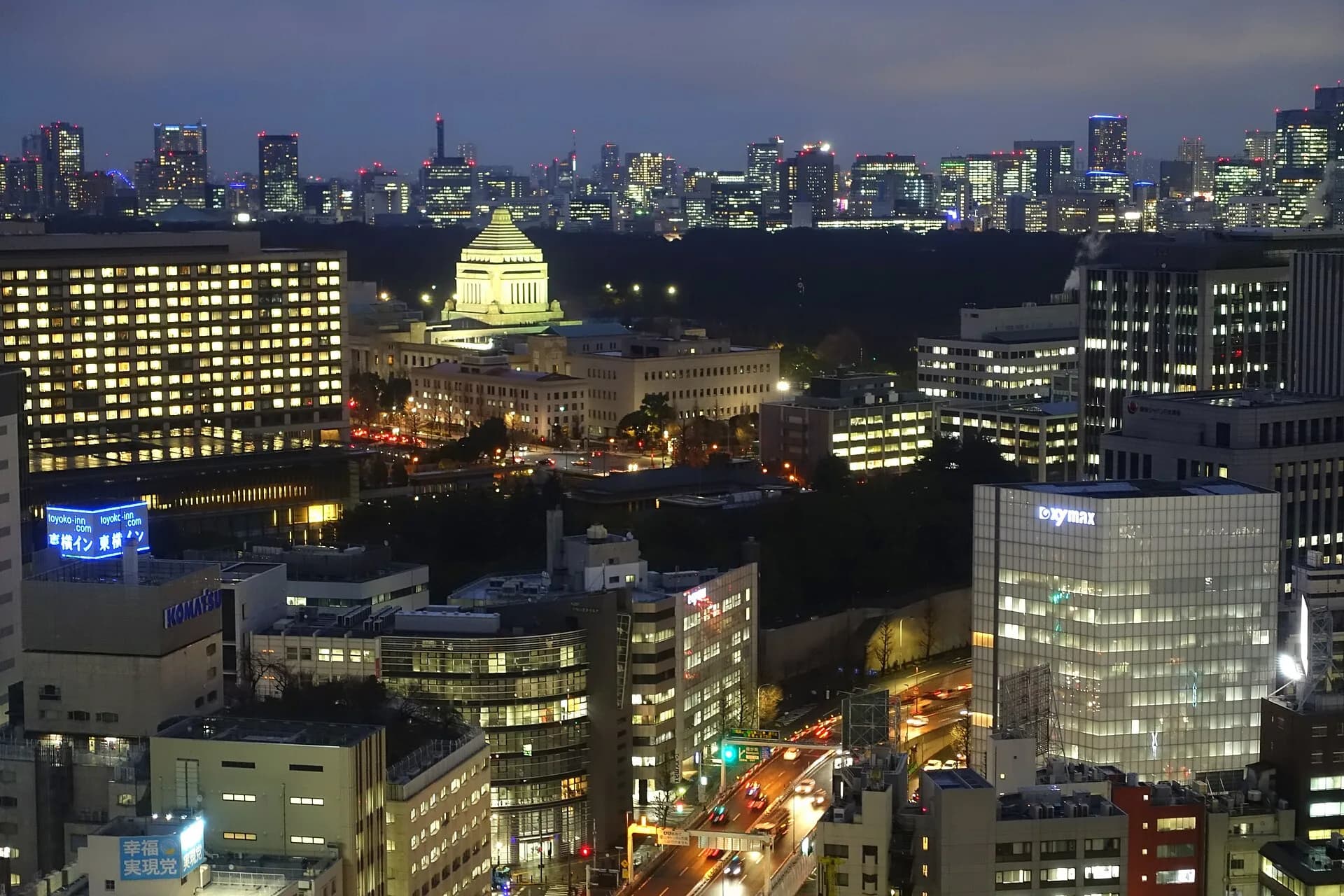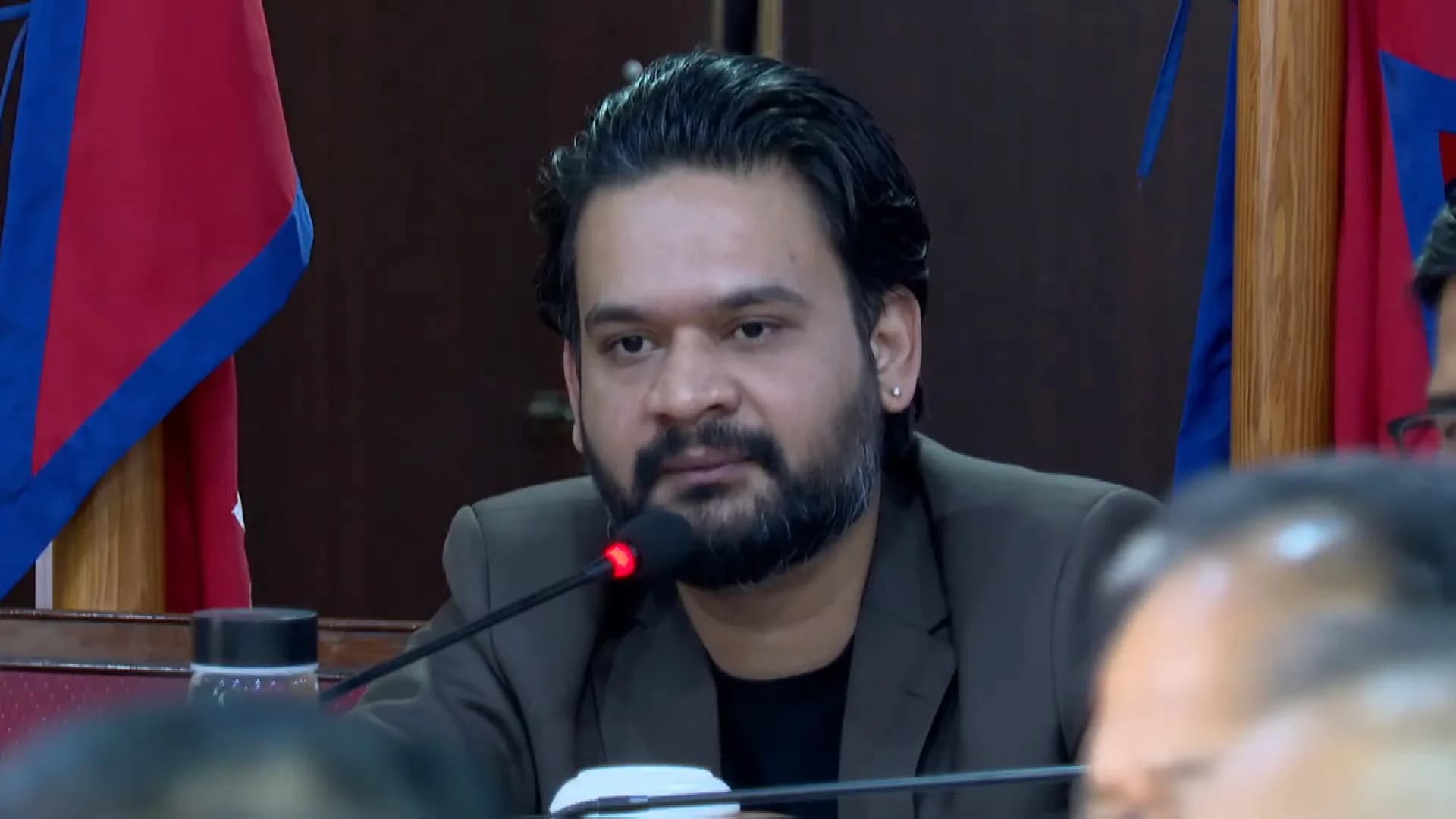
Nepalese Prime Minister Balendra Shah arrived in New Delhi on Sunday, 22 November 2026, for a two-day state visit to India, his first bilateral trip abroad since taking office in March. He was received at the airport by Jitin Prasada, India's Minister of State for Commerce and Industry. Delegation-level talks with Indian Prime Minister Narendra Modi took place on Monday, 23 November, at Hyderabad House in New Delhi, and ended with a development package of 24,000 crore Nepali rupees and eight agreements.
The visit comes at the invitation of Modi, who extended it after the new government took office in Nepal in March 2026. India's Ministry of External Affairs said the visit would provide an opportunity to review the full range of India-Nepal relations and to deepen cooperation across several sectors. The two leaders exchanged views on regional and international issues of mutual interest, and gave political direction to the relationship in the coming years.
Shah led a 34-member official delegation. It includes Finance Minister Swarnim Wagle, Foreign Minister Shishir Khanal and Chief Adviser to the Prime Minister Kumar Byanjankar, according to Nepal's Ministry of Foreign Affairs. Indian External Affairs Minister S. Jaishankar called on Shah on Sunday evening, and posted on X that he was privileged to call on the Nepalese prime minister during his visit to New Delhi.
A full day of meetings
Monday's schedule was compressed. Shah attended a ceremonial reception at the forecourt of Rashtrapati Bhavan at 10 a.m., where Modi welcomed him warmly, and visited Rajghat to pay tribute before the talks. He called on President Droupadi Murmu at Rashtrapati Bhavan at 3:15 p.m., and left for Kathmandu at 4:50 p.m. Modi hosted an official luncheon in honour of Shah and his delegation.
The talks focused on energy, hydropower, trade, railway connectivity, transport and infrastructure development, according to the Ministry of External Affairs and to people familiar with the matter quoted by the Press Trust of India. Several connectivity and energy projects were inaugurated, and eight memorandums of understanding were signed, according to a joint press release issued after the talks.
A 24,000-crore package and eight agreements
Modi announced a development cooperation package of 24,000 crore Nepali rupees — about 15,000 crore Indian rupees, or 1.62 billion dollars — to support Nepal's post-flood reconstruction and long-term development, Reuters reported. The package comprises a grant of 3,500 crore Indian rupees for post-disaster reconstruction and new infrastructure, and a rupee-denominated line of credit of 11,500 crore Indian rupees for energy-sector projects, according to the joint press release. The floods in August killed some 1,500 people, with another 5,200 missing and presumed dead, Reuters reported.
The eight agreements cover academic and research collaboration between India's National Forensic Sciences University and the Crime Investigation Department of Nepal Police; cooperation between India's Rashtriya Raksha University and Nepal's National Police Academy; capacity-building training for Nepalese civil servants; cooperation in Ayurveda and other traditional systems of medicine; a satellite communication network using the South Asia Satellite, agreed between the Indian Space Research Organisation and Nepal's Ministry of Information and Communication; technical cooperation in sustainable urban development; cooperation in health and medicine; and cooperation in livestock and fisheries development.
The two leaders also adopted a Joint Vision for a "Viksit Bharat and Samunnat Nepal", a roadmap for the partnership covering economic and development cooperation, connectivity, energy and water resources, and new areas including climate resilience, digital services, space and innovation. They agreed that the existing one-way B345 Kathmandu–Bhairahawa–Lucknow air route will be made bidirectional, and welcomed the setting up of an Agro-Industrial Park in Chitwan with grant assistance from India. Modi and Shah jointly flagged off the Saryu-Kamala Express, a weekly train service connecting Ayodhya in Uttar Pradesh with Janakpur Dham in Nepal.
What Nepal sought
The visit takes place against a background of disagreement over the border areas of Limpiyadhura, Lipulekh and Kalapani. That dispute was not settled during the two-day visit, and neither side said it was on the formal agenda. The emphasis, in the public statements from both governments, is on practical cooperation: power, railways, trade and the movement of people and goods across the border.
Shah, popularly known as Balen Shah, took office in March 2026. His visit is the first by a Nepalese prime minister to India in this term, and the first in-person meeting between the two leaders. Shah invited Modi to visit Nepal, according to the joint press release. The two governments described the trip as an opportunity to define the direction of the relationship under Nepal's new government, and to convert shared priorities on economic growth, infrastructure and disaster response into concrete projects.
Shah returned to Kathmandu on Monday evening. The timetable left no room for travel outside the capital, and the focus of the visit was on the meetings in New Delhi rather than on other Indian cities.